Value Proposition Design: Brands People See and Choose First
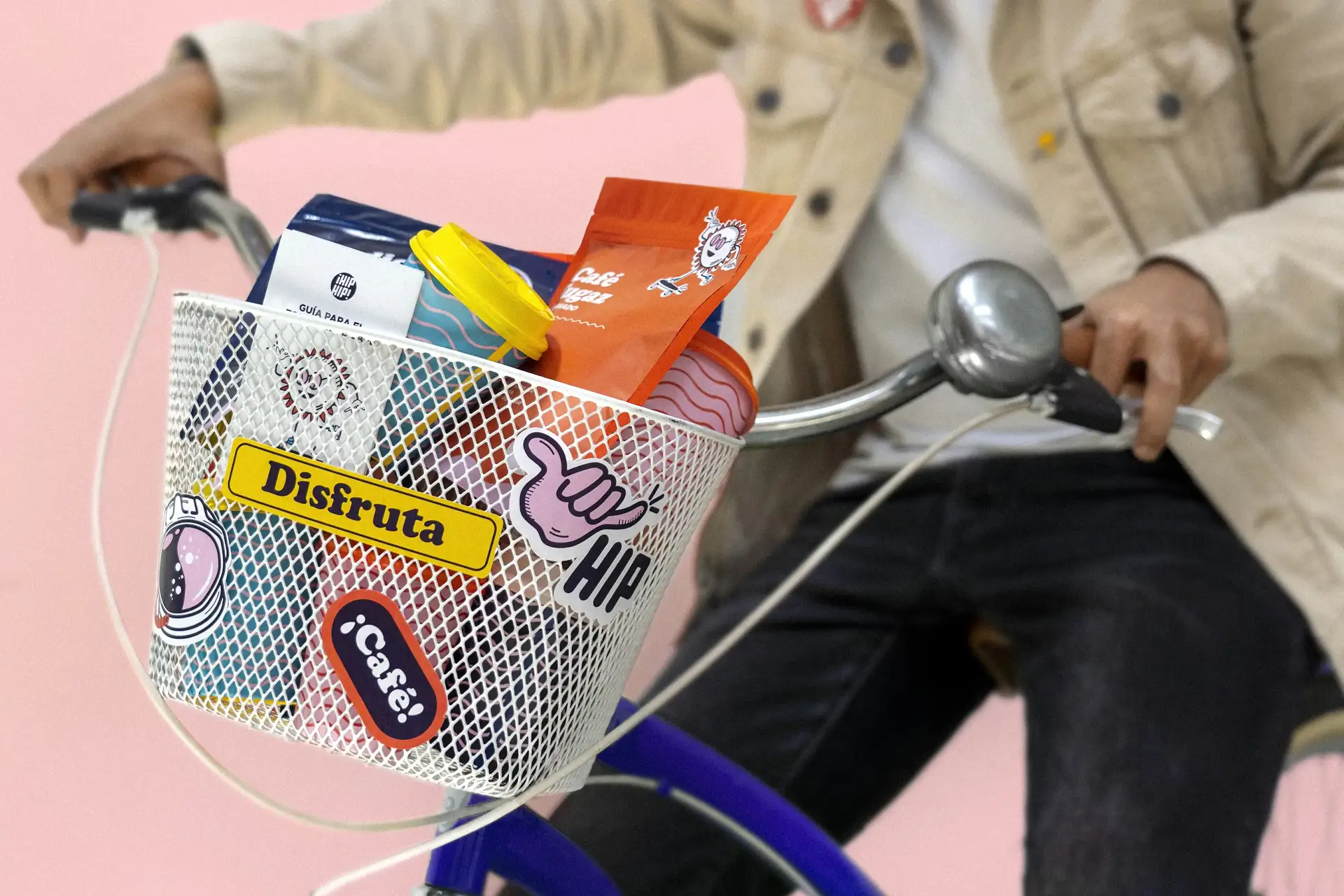
Brand value design links buyer need, proof, price, and message discipline so people grasp the offer fast, trust it, and choose your brand with recall.
Value proposition design gives a company a sharper reason for buyer choice. It connects the buyer's job, the pain they want removed, the gain they want next, and the proof they need for a yes.
Many brands talk in features. Buyers think under pressure. They ask simple questions in their own heads: Can it save time? Can it cut costs? Will the team accept it? Will regret follow the purchase? Strong value propositions answer those questions in seconds.
Operendia treats valuable work as commercial architecture. It helps a brand explain its offer in plain language, set a better sales path, and make product value easier to see. Sounds basic, right? It often decides the deal.
Start With the Buyer's Real Job
Great value work begins with the task in the buyer's day. Hotel managers want fewer empty rooms. Clinic owners want a steady appointment flow. SaaS founders want trial users to become paid accounts. The product matters, yet the job matters first.
Buyer jobs have layers. The visible layer is the task. The hidden layer is fear, status, time, and risk. Finance directors may buy software for faster reports, yet the emotional driver may be board pressure. Parents may choose a school for the curriculum, yet the real driver may be peace at home.
Value proposition design asks teams to write those drivers down. Plain words. Sharp words. Human words.
Convert Pain to a Real Offer
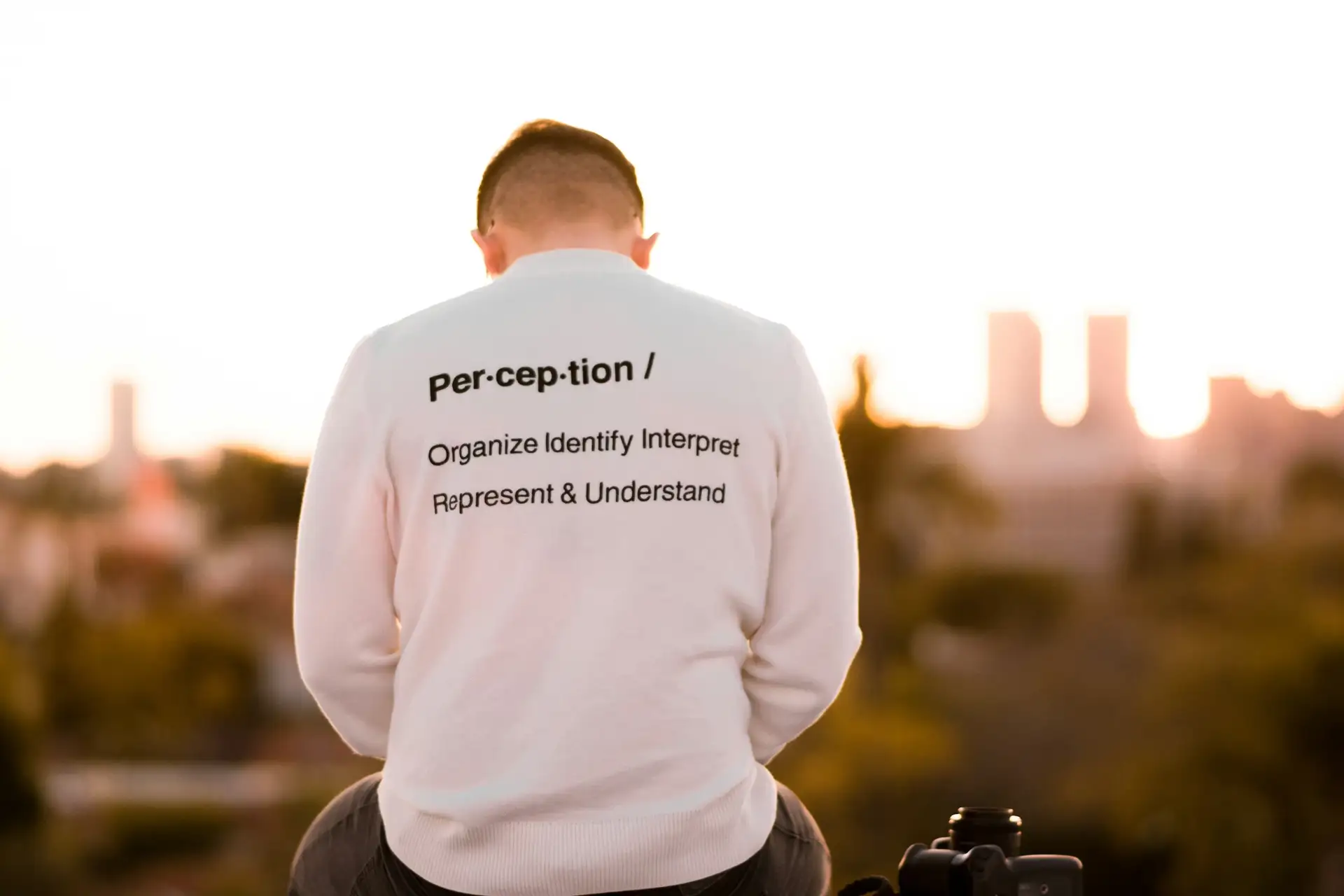
Pain points often sound vague in sessions. "Customers need efficiency." Fine, but empty. Strong teams convert pain into a measurable problem. Use a direct format:
- The buyer loses three hours per week.
- The buyer spends too much on manual admin.
- The buyer waits too long for a quote.
- The buyer fears a public error.
- The buyer feels stuck with a slow vendor.
Now the offer has teeth. "We reduce admin time" feels useful. "We cut the wait time from two days to ten minutes" feels concrete. The second line sells harder because the buyer can feel the relief.
Gains Need Evidence
Gain means the positive result a buyer wants. More sales. Faster approval. Better team use. Higher repeat purchase. Greater trust from clients. Good gain claims need proof. Testimonials help. Benchmarks help. Prior-and-after metrics help. Product demos help. Proof converts a claim to a decision aid.
Use a simple test: if a competitor can copy your claim in five seconds, strengthen the proof. Add a number, a case, a time frame, a real user segment, or a comparison tied to customer data.
Features Are Tools, Benefits Are Reasons
Feature lists make internal teams proud. Buyers scan them with half an eye. Features need benefit lines beside them. Dashboard access becomes "spot revenue risk before the weekly session." Support chat becomes "get help prior to delay damage." Reservation tools become "confirm the slot prior to another client's claim."
The buyer's brain wants the reason. Give the reason.
Price Needs a Value Story
Price lives inside the value proposition. Low price can signal risk. A high price can signal status, certainty, or specialist skill. The price must fit the promise. Three questions help:
- What costs already burden the buyer?
- What gain does the offer create?
- What proof makes the price feel fair?
Strong value propositions make price discussion calmer. Sales teams spend less time defending the number and more time connecting value to outcomes.
Message Discipline Across Touchpoints
Value weakens when a homepage says one point, ads say another, and sales decks chase a third angle. The buyer then works too hard. Confusion kills interest.
Firm value propositions give all touchpoints the same spine. The headline names the buyer's job. The subhead states the main outcome. The proof block supports the claim. The call to action gives the next move.
Emails, web pages, sales materials, social media, and pitch decks should all share one central claim. Different formats can hold different depths, yet the main promise stays intact.
Test the Promise in the Market
Internal opinions can sound persuasive. Market reaction decides. Teams can test a value proposition via search ads, lead pages, sales scripts, cold email subject lines, or short social posts. Watch for signals:
- Click rate on the main claim
- Form fill rate on the page
- Sales reply rate
- Demo attendance
- Close rate
- Repeat purchase
Tiny tests reduce risk. One headline can fail. Another can lift demand. The market gives the answer when the team measures the right signal.
The Operendia View
Operendia sees value proposition design as the bridge between brand strategy and sales logic. The method links psychology and revenue. It helps a brand speak to need, reduce doubt, and guide buyer choice.
Good value proposition work feels simple after it's done. The process asks for customer research, offer edits, proof, price logic, and message discipline. It pays through stronger sales conversations and steadier demand.
Practical Value Proposition Worksheet
Use a short worksheet with any offer:
- Who is the buyer?
- Which task pressures them most?
- Which pain costs money, time, or status?
- Which gain matters most to them?
- Which feature removes the pain?
- Which proof supports the claim?
- Which price story feels fair?
- Which next action feels easy?
Answer those eight points, then write one line: "We help [buyer] achieve [gain] via [pain relief] backed by [proof]."
We help clinic owners increase appointment flow via a CRM flow for missed inquiry follow-up, proven across multi-branch medical teams.
Example value proposition
The line may need edits. Good. Edits sharpen the offer.
People choose brands they grasp in seconds. They choose brands that solve a real issue. They choose brands with proof, context, and a promise they can repeat to someone else.
Value proposition design gives a brand those tools. It converts vague value to buyer logic. It gives sales teams a sharper script. It gives brand teams a stronger claim. It gives the customer a reason to care.
Pick one offer. Study one buyer. Write one promise. Test it. Improve it. Then let the market answer.


 Make your brand matter.