SEO - Search & Content
Intent LedgerQuery MemoryDemand Cartography
Content gains power when it answers a real search. Operendia links technical SEO, topic maps, schema, and article plans to buyer questions and sales language inside active demand cycles for commerce.




SEO - Search & Content
SEO - Search & Content at Operendia begins where private need becomes a query. Search is a confession in a small box. People type desire, doubt, price, fear, time pressure, comparison, location, and urgency into Google. The department reads those lines as live market speech. One keyword rarely behaves like a word list. It is a buyer's first unfinished sentence.
Operendia treats search as demand evidence. Query groups show what people call a problem. Results pages show category language. Competitor pages show shared vocabulary. Search Console shows which terms already touch the site. Technical audits expose weak access points inside Google's reading. Content plans give the brand a way to answer demand with dignity.
The work starts with search intent. Some searches ask for education. Some ask for proof. Some ask for the price. Some ask for a provider near them. Some ask for comparison. Operendia separates these needs so pages speak to the right mental state. Buyers in the research stage need a different page than buyers ready to request a call.
Technical SEO gives the site a clean path into search systems. Crawl logic, index status, page speed, URL logic, metadata, schema, mobile usage, internal links, image weight, and redirects are carefully reviewed. The aim is simple: Google can read the site, users can move through it, and content can grow with commercial sense.
Content Architecture sets the page plan. Service pages answer core demand. Article groups answer questions and provide education. Location pages address local searches. Landing pages support paid traffic and organic demand. Metadata gives search results sharper entry lines. Topic clusters connect related pages so authority grows through useful depth.
Operendia writes content with a brand mind. Search text still needs a character. It needs category terms, buyer vocabulary, commercial proof, and a readable voice. Generic SEO text wins low-quality visits and weak sales conversations. Operendia writes for people who may search today and speak to sales tomorrow.
The department works closely with Brand Architecture. Brand language gives SEO material a voice. Market Strategy & Perception gives the audience reading. Web & Digital Engineering provides technical health checks for pages. Art Directorate gives the layout and visual hierarchy. Performance Media gives paid query data. Film & Motion gives video content routes for search pages, product education, and paid paths.
SEO also helps sales. Strong articles answer questions before meetings. Service pages explain offers with less strain. Search results make it easier to verify a company. Google Business Profile activity helps local demand. Content gives teams links they can send after calls, proposals, and client questions.
Search & Content at Operendia treats traffic as evidence and commercial material. The department seeks qualified demand, stronger findability, better page logic, and language buyers can use. Brand value rises when people can find the company when they need it.
Search gives the market a question.
Operendia gives the brand an answer fit for Google, buyers, and sales rooms.
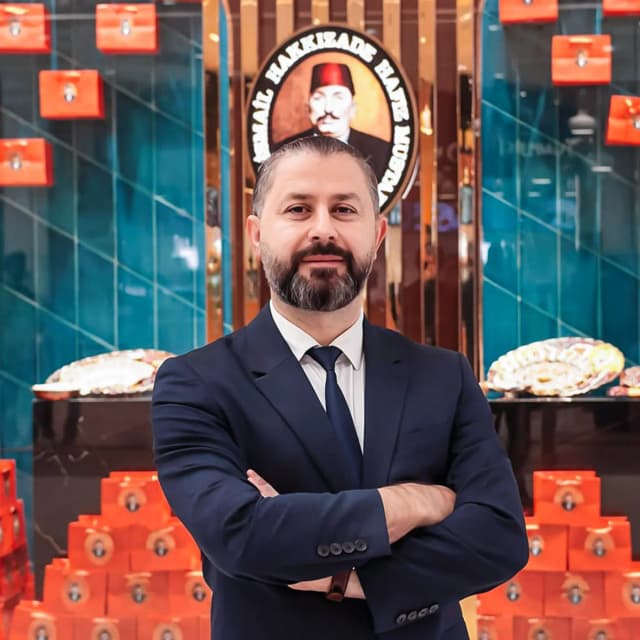
Ahmet H. Demir
Global Markets Managing Director, Hafiz Mustafa 1864
We had been following Operendia's tactics and digital strategies and determined they had a high level of expertise in the creative and online arena. Operendia is definitely the agency to lead us into the digital space. They are technologically savvy and have excellent communication skills. I hope to work with Operendia for many years to come.
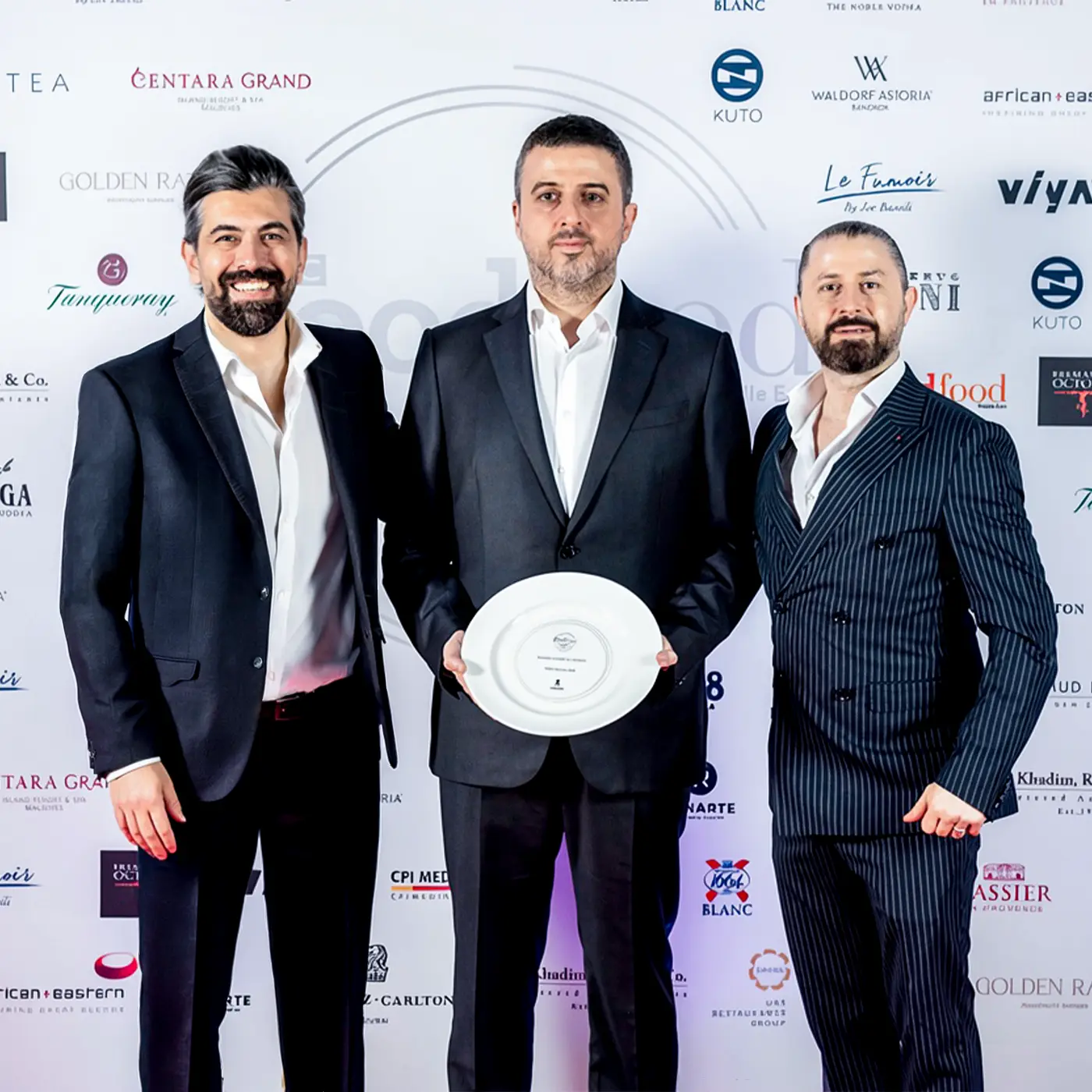
Asil Ersoydan
CEO, SEG
Operendia managed our entire digital infrastructure with exceptional expertise, including our ticketing infrastructure, mobile app, universal backend, and all digital processes. Plus, they did an amazing job with our branding, design, logos, copywriting, and SEO. SEG got a solid digital base and a noticeable brand thanks to their work. Operendia's skills in this field are truly ahead of their time. I am very fortunate to know them.
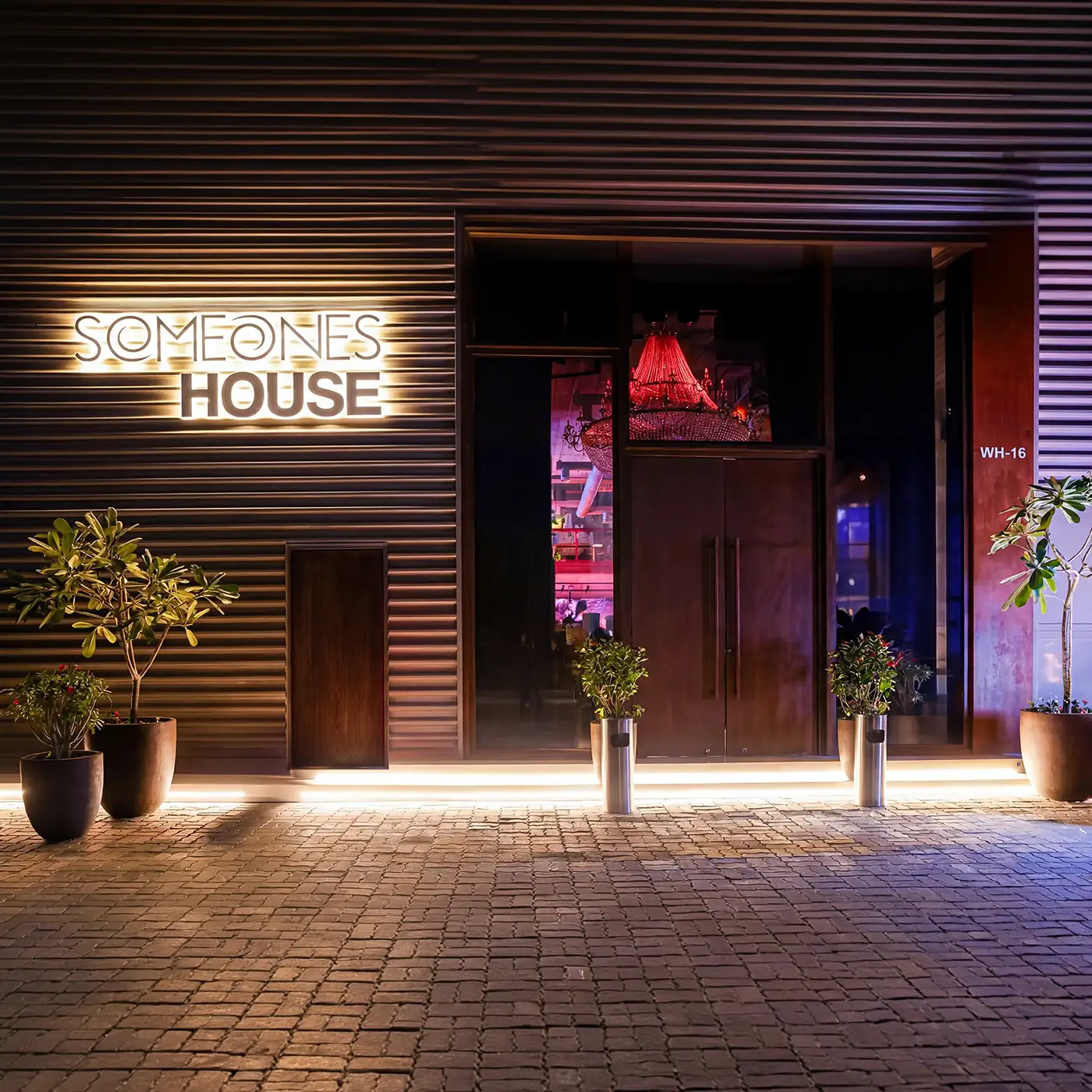

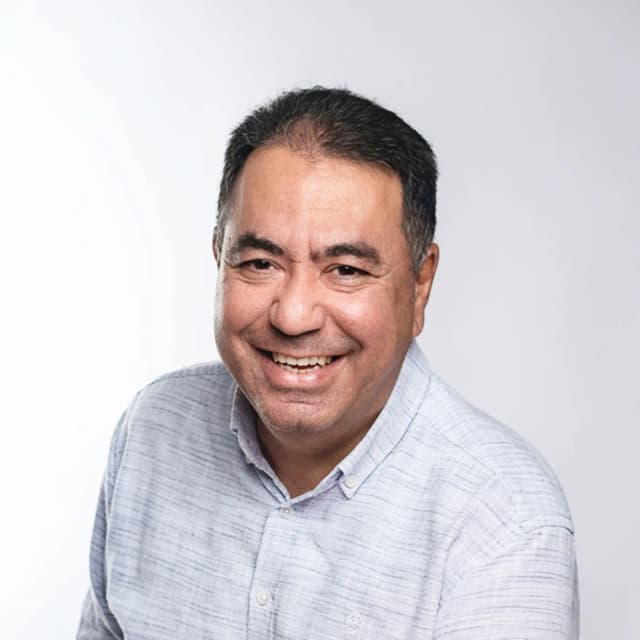
Ahmet Cinar
Managing Director, Cinar Rugs
Operendia's creativity and thinking style are above any agency I have seen. I have worked with them for many years on corporate communications, branding, and composition. Their project management, design studio, and creative team are all top-notch. Innovative work, always accomplished on time with excellent results.
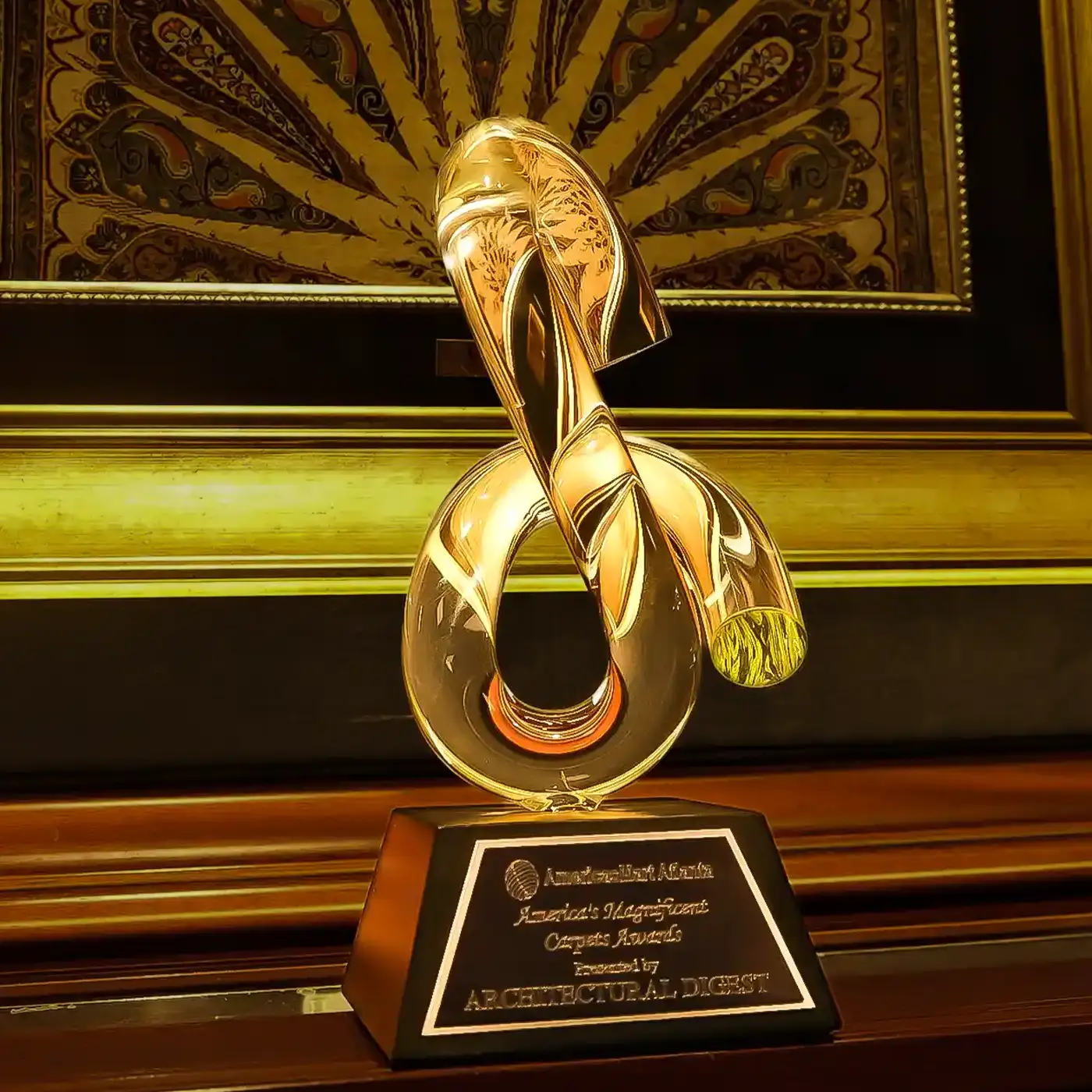
The Operendia Ledger
Read market signals, brand thinking, web intelligence, search notes, and creative systems written for people who build passionate enterprises.

 Make your brand matter.