Brand Architecture
Verbal GravityDesign LanguageMarket Grammar
Strong brands need language people can repeat. Brand Architecture prepares market position, archetype, tone, naming logic, and narrative systems for sales teams, websites, campaigns, and public memory.


Brand Architecture
Brand Architecture at Operendia begins with the hardest commercial question. Why should a buyer choose the company, remember its name, repeat its promise, trust its voice, and accept its place in the market?
Many companies carry real value. Products work. Services solve real problems. Teams have skill. Systems have power. Yet market choice rarely follows internal strength alone. Value needs language. Merit needs a market frame. A business needs words strong enough for buyers, founders, investors, search engines, sales rooms, decks, films, and campaigns. Operendia builds those words.
Brand Architecture gives a company its market sentence. It turns commercial substance into a verbal world that people can understand and use. Market position gains language. Archetype gains behavior. Naming gains memory. Tone gains range. Narrative gains pressure. Campaign language gains force. The brand receives a voice strong enough to move between a website, a sales deck, a search page, a film, and a boardroom.
Poorly chosen words can shrink a company's image. The founder speaks one way. The website speaks another. Sales teams create new lines under pressure. Campaigns chase attention. Search pages chase terms. Films chase feeling. Buyers receive fragments. Investors hear effort instead of belief. The company loses size in public because its own words fail to carry it. Brand Architecture repairs the commercial voice at its source.
Operendia studies the business as both a market object and a human object. Category pressure, buyer motive, founder belief, sales friction, rival vocabulary, public doubt, search behavior, and cultural code are included in the same reading. The aim: find the sentence beneath the business. The one idea people can keep after a meeting ends.
Market Positioning gives the company a mental territory. Brand Archetype gives it character. Verbal Identity sets the verbal rules. Tone System gives range for corporate pages, investor decks, sales rooms, scripts, campaigns, and films. Naming Strategy gives memory its first handle. Brand Narrative connects the business model to a public reason people can understand.
Operendia writes for real commercial rooms. A CEO needs language worthy of capital. A sales director needs proof strong enough to overcome objections. A website needs sentences that reduce hesitation. A campaign needs a hook with substance. A film needs words able to hold feeling with discipline. A search page needs terms that can earn traffic and protect dignity. A brand needs a single inner logic that ties them all together.
Brand Architecture gives the brand its inner logic. Its work feeds Market Strategy & Perception, SEO - Search & Content, Web & Digital Engineering, Art Directorate, Performance Media, and Film & Motion. Search receives stronger semantic ground. Websites receive hierarchy. Visual teams receive conceptual direction. Motion teams receive verbal cadence. Paid media receives messages with commercial nerve. Sales teams receive words that are able to work under pressure.
Operendia treats language as infrastructure. Words influence margin. Names influence memory. Tone influences status. Narrative influences trust. Category language influences search. Campaign lines influence desire. Investor language influences belief. Sales language influences conversion. Brand Architecture turns a company from a thing people need to decode into a brand people can repeat.
A business becomes easier to sell when its role is defined in language. A company is easier to trust when its promises remain consistent. A brand becomes harder to replace when its story leaves an emotional aftertaste. Operendia gives brands a market voice strong enough for rooms, screens, decks, search pages, films, and memory.
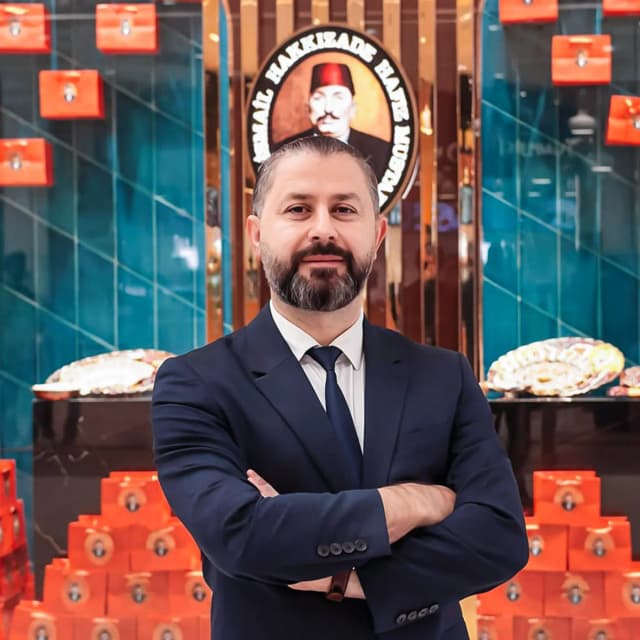
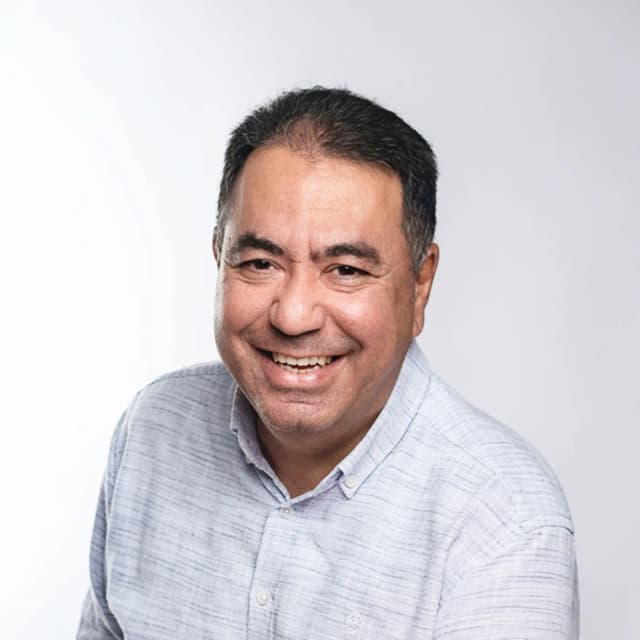
Ahmet H. Demir
Global Markets Managing Director, Hafiz Mustafa 1864
We had been following Operendia's tactics and digital strategies and determined they had a high level of expertise in the creative and online arena. Operendia is definitely the agency to lead us into the digital space. They are technologically savvy and have excellent communication skills. I hope to work with Operendia for many years to come.
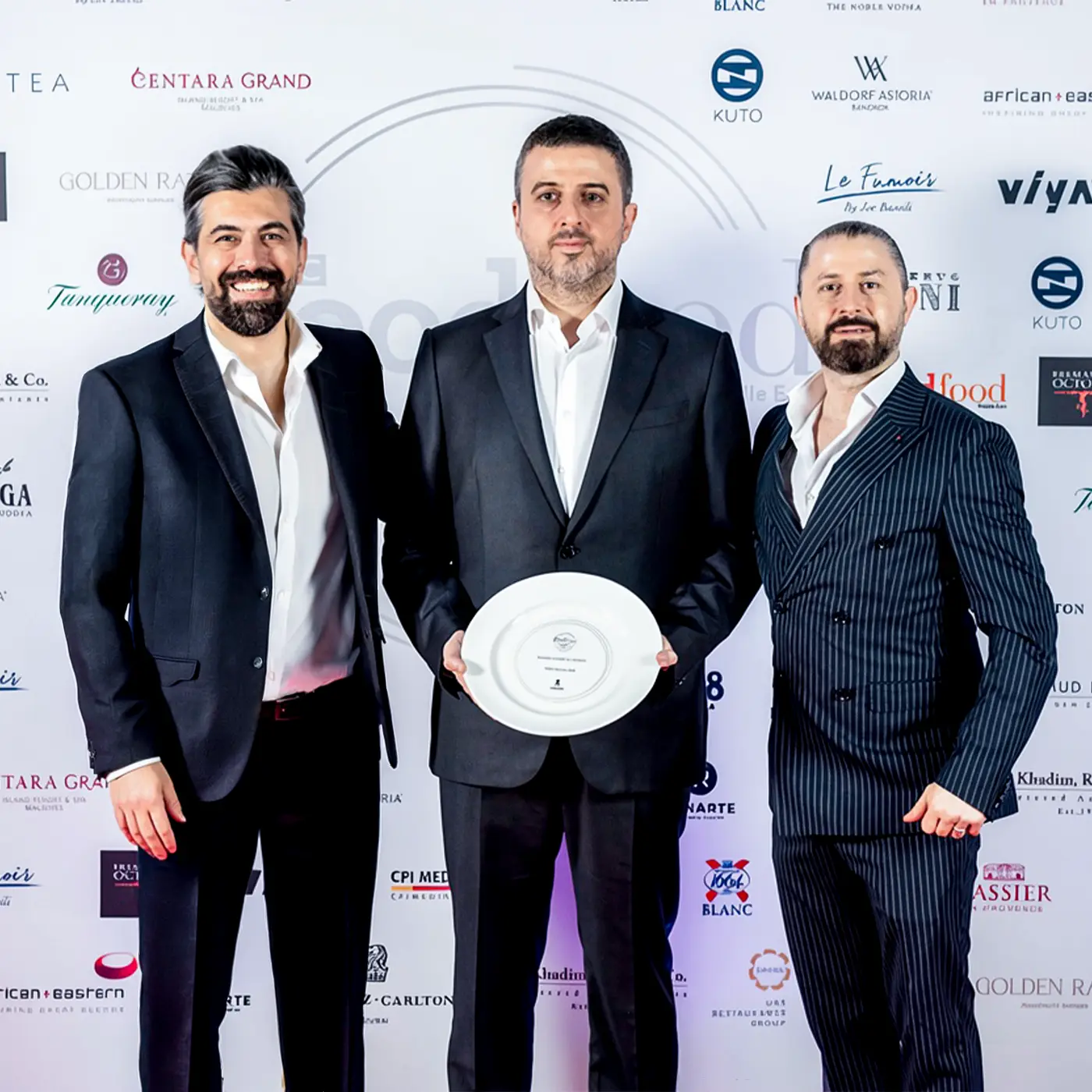
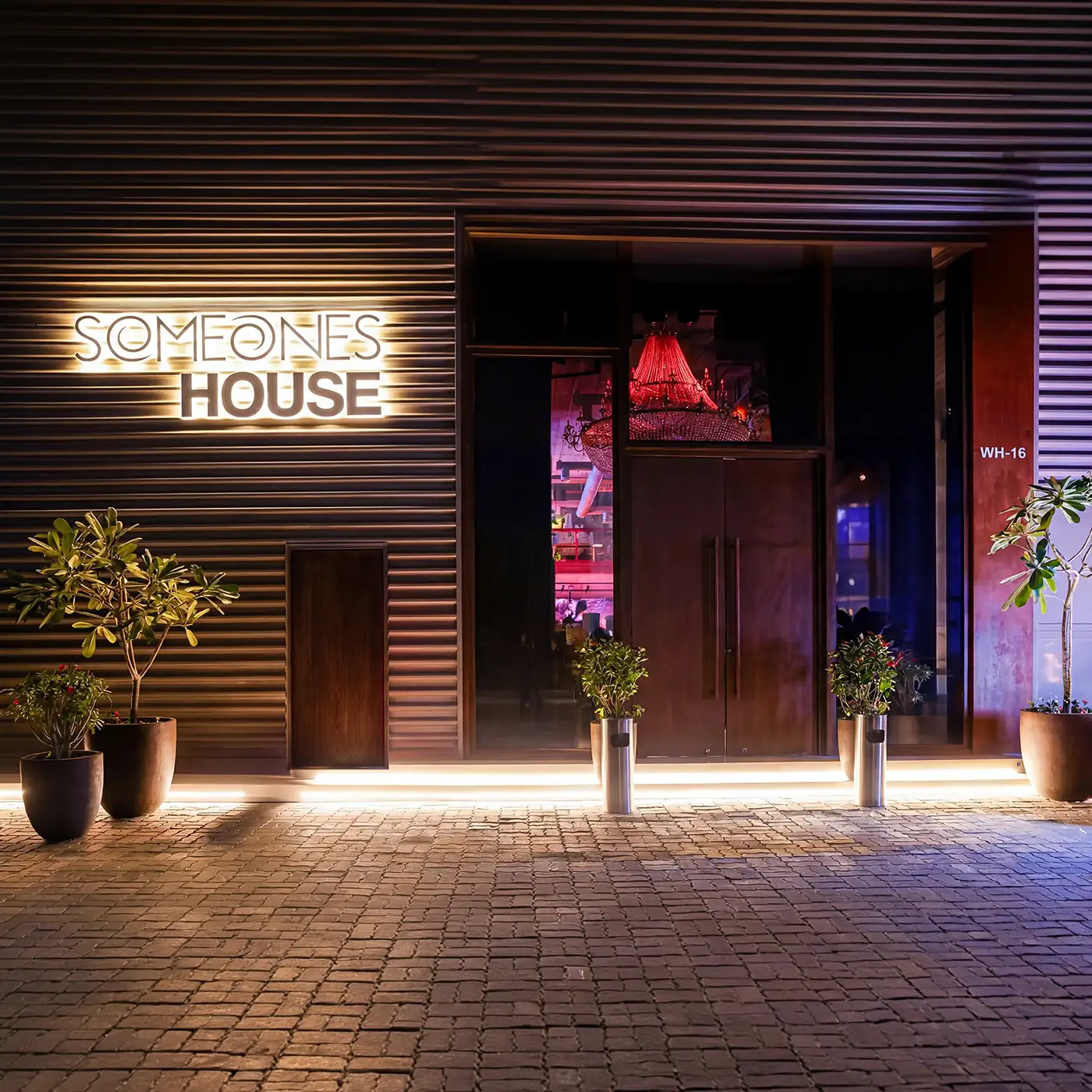
Asil Ersoydan
CEO, SEG
Operendia managed our entire digital infrastructure with exceptional expertise, including our ticketing infrastructure, mobile app, universal backend, and all digital processes. Plus, they did an amazing job with our branding, design, logos, copywriting, and SEO. SEG got a solid digital base and a noticeable brand thanks to their work. Operendia's skills in this field are truly ahead of their time. I am very fortunate to know them.

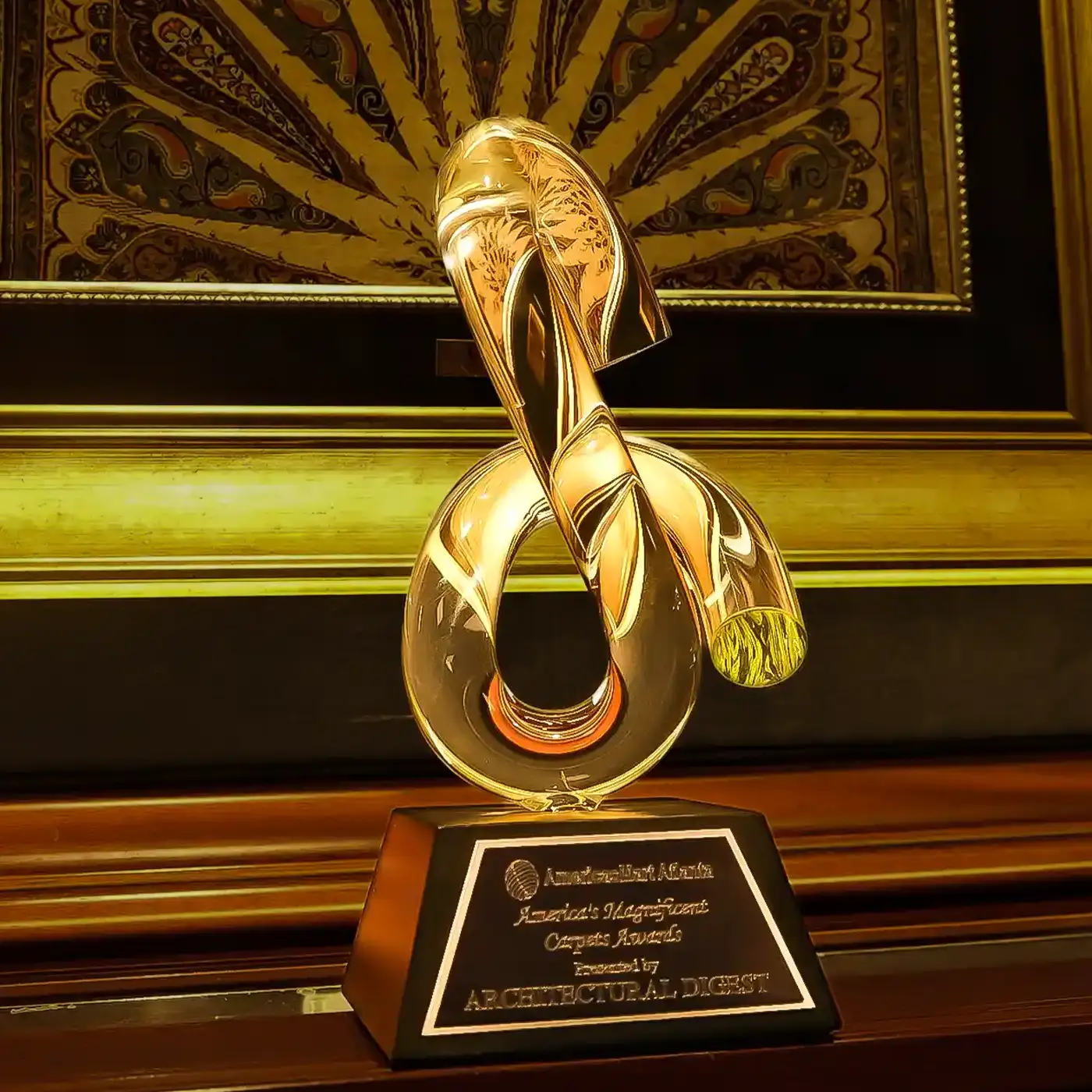
Ahmet Cinar
Managing Director, Cinar Rugs
Operendia's creativity and thinking style are above any agency I have seen. I have worked with them for many years on corporate communications, branding, and composition. Their project management, design studio, and creative team are all top-notch. Innovative work, always accomplished on time with excellent results.
The Operendia Ledger
Read market signals, brand thinking, web intelligence, search notes, and creative systems written for people who build passionate enterprises.

 Make your brand matter.