Market Strategy & Perception
Belief MapCategory InstinctPublic Reading
Perception work studies what people already assume, what they trust, what they question, and which mental territory the company can own with language, proof, timing, and market sense.




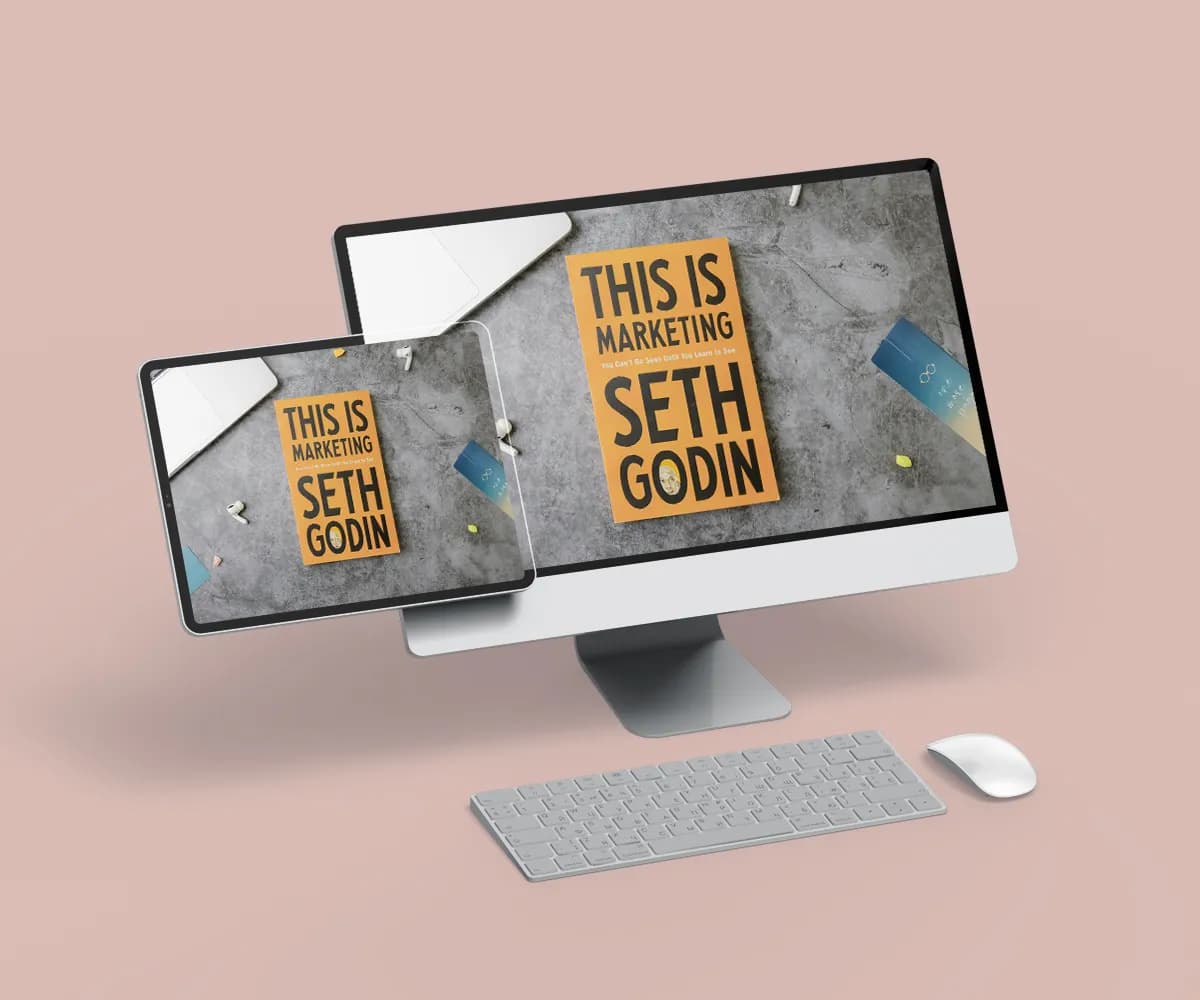
Market Strategy & Perception
Market Strategy & Perception at Operendia begins inside a quiet problem: the market has already made assumptions. Buyers compare. Rivals occupy words. Categories carry old habits. Price signals create judgment. Reputation travels through rooms, search results, private conversations, and public memory. A company enters all of this with ambition, but ambition needs a mental territory people can understand.
Operendia studies that territory. The department reads buyer psychology, category tension, rival vocabulary, cultural pressure, price belief, reputation risk, and public doubt. It asks what people already believe, what they resist, what they repeat, and what they need to accept a company's values. Market work becomes a reading of human reaction as much as business logic.
Strategy gives the company a commercial path. Perception decides how people read that path. Operendia keeps both close, since a smart market move can lose power when the public reads it in the wrong frame.
The work begins with evidence. Search language shows live demand. Sales objections show friction. Reviews show disappointment and praise in plain speech. Competitor messages show repeated claims. The founder's belief shows inner conviction. Pricing behavior shows risk tolerance. Cultural codes show what can feel credible inside a category. Operendia translates these signals into a market perspective.
Market position helps buyers remember the company. How people see the brand is what it needs to earn. Reputation Strategy protects long-term value and status. The category definition decides the mental shelf people will use. Competitive Intelligence reads rival shortcuts and open space. Audience Psychology gives the brand a human reason to matter.
The department's work influences the whole agency. Brand Architecture figures out the market's motivation for the language. SEO - Search & Content receives the query map and category terms. Web & Digital Engineering receives user logic for pages, forms, and platform routes. Art Directorate receives social codes behind visual decisions. Performance Media receives audience logic for spend. Film & Motion receives the emotional angle behind the image and the story.
Commercial value rises when people can place a brand fast. Operendia handles these problems at the perception level, before campaign work, before media money, before public scale.
Stronger sales teams start with a good perception. Founders get a clearer market pitch with this. It gives designers a visual brief with social meaning. It gives search teams terms rooted in demand. It gives paid media a better audience reading. It gives film teams an emotional point worth filming.
Market Strategy & Perception at Operendia decides how the company should be read, which category it can own, which buyer belief must move, and which commercial territory gives it power.
The market speaks in assumptions.
Operendia teaches the brand how to answer.

Ahmet H. Demir
Global Markets Managing Director, Hafiz Mustafa 1864
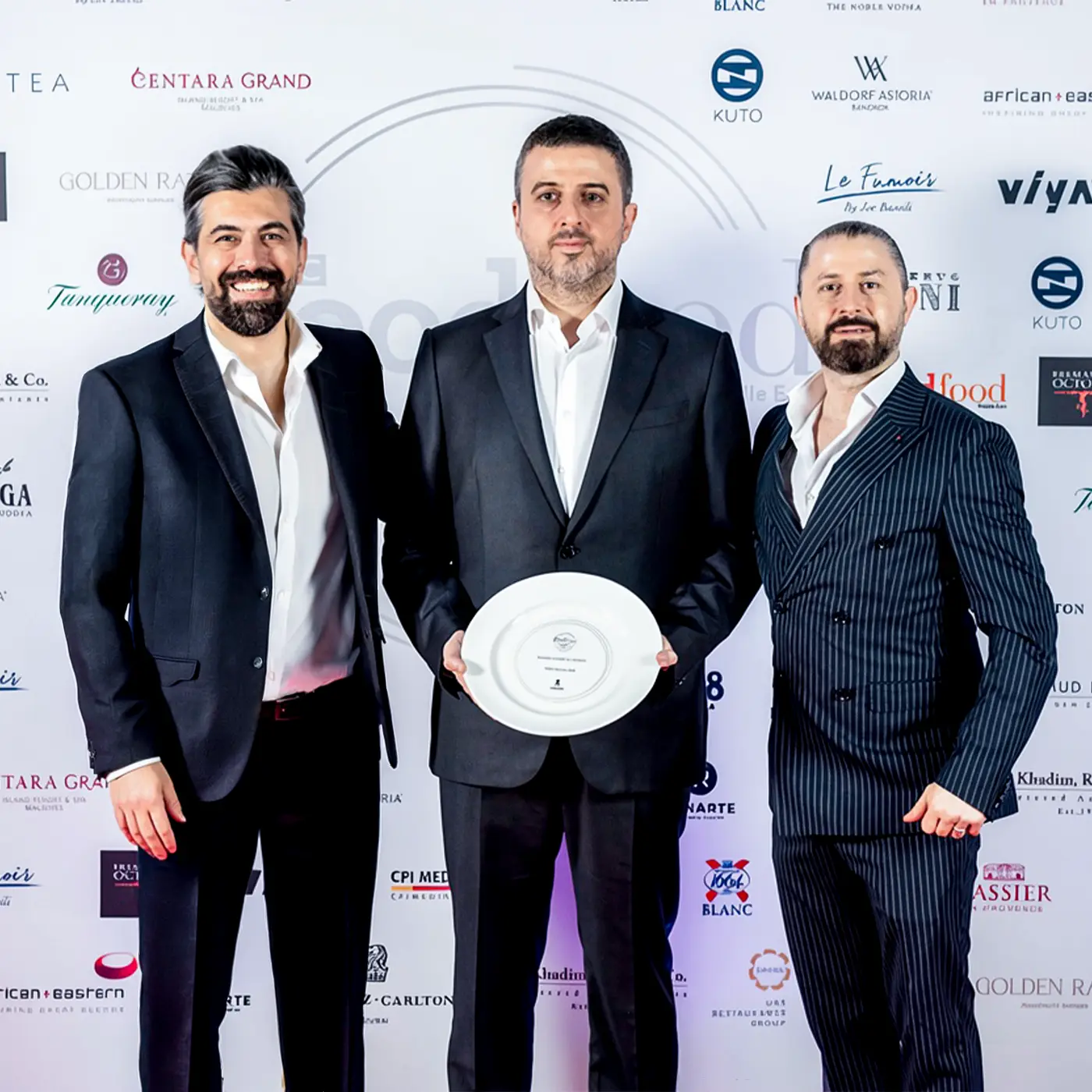
We had been following Operendia's tactics and digital strategies and determined they had a high level of expertise in the creative and online arena. Operendia is definitely the agency to lead us into the digital space. They are technologically savvy and have excellent communication skills. I hope to work with Operendia for many years to come.

Asil Ersoydan
CEO, SEG
Operendia managed our entire digital infrastructure with exceptional expertise, including our ticketing infrastructure, mobile app, universal backend, and all digital processes. Plus, they did an amazing job with our branding, design, logos, copywriting, and SEO. SEG got a solid digital base and a noticeable brand thanks to their work. Operendia's skills in this field are truly ahead of their time. I am very fortunate to know them.


Ahmet Cinar
Managing Director, Cinar Rugs
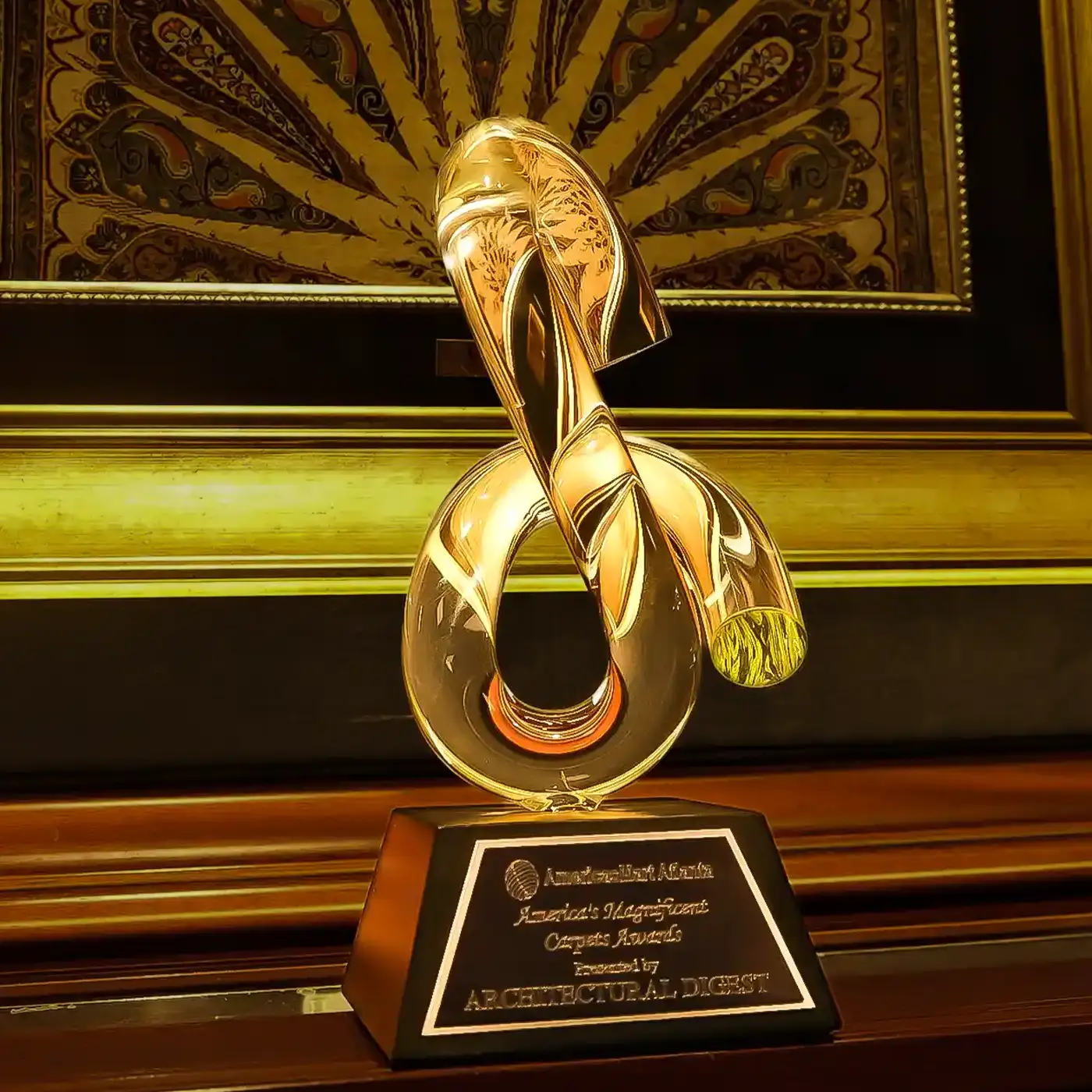
Operendia's creativity and thinking style are above any agency I have seen. I have worked with them for many years on corporate communications, branding, and composition. Their project management, design studio, and creative team are all top-notch. Innovative work, always accomplished on time with excellent results.
The Operendia Ledger
Read market signals, brand thinking, web intelligence, search notes, and creative systems written for people who build passionate enterprises.

 Make your brand matter.