AI Chatbots for E-commerce Businesses in the UAE
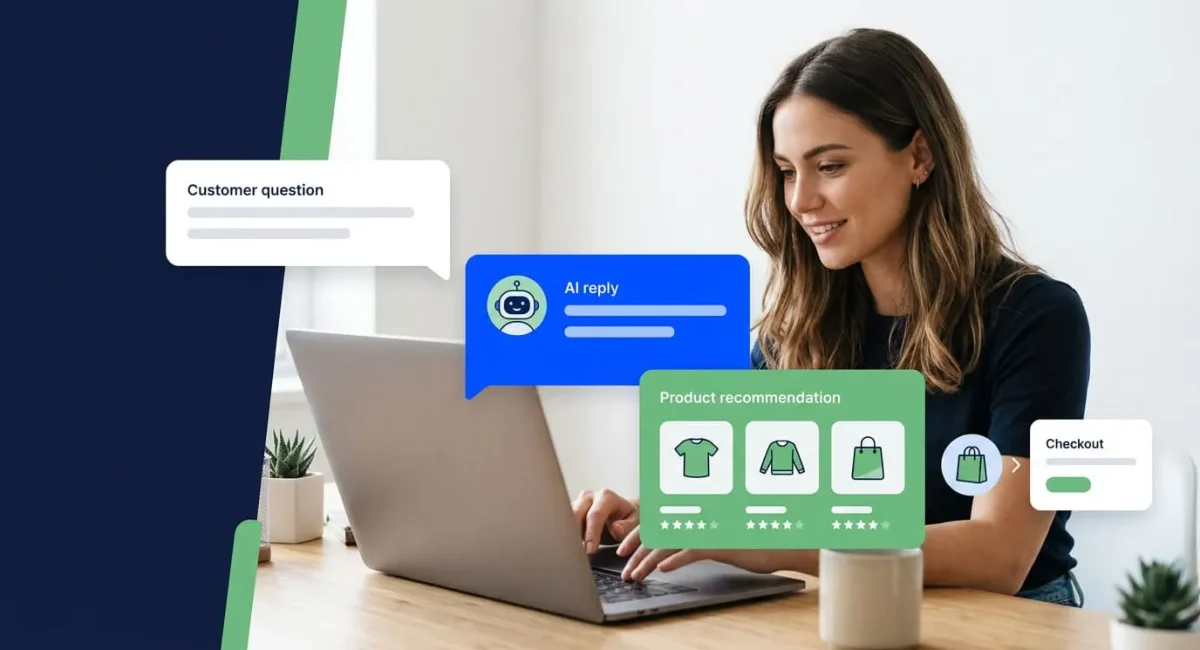
Online retail moves fast in the UAE. A shopper sees a product on Instagram, opens the website, checks delivery terms, compares two options, and sends a question on WhatsApp. All within a few minutes.
That pace creates a simple challenge for e-commerce teams: shoppers want useful answers while purchase interest feels fresh.
AI chatbots help online stores answer questions, recommend products, share order updates, recover carts, and route selected conversations to a team member. For many UAE businesses, the value comes from better timing. The shopper gets help during the decision, instead of hours later.
Why UAE E-Commerce Businesses Are Using AI Chatbots
UAE online stores often receive customer messages across websites, WhatsApp, Instagram, email, and marketplace channels. The same questions appear again and again.
Do you deliver to Abu Dhabi?
Can I pay cash on delivery?
Which size should I choose?
When will my order arrive?
Can I exchange this item?
An AI chatbot can answer common questions within seconds. Sales and support teams then spend more time on complex requests, high-value buyers, and sensitive cases.
The result feels practical. Faster replies. Better lead data. Fewer missed conversations.
How AI Chatbots Improve the Online Shopping Experience
Online shoppers usually need a little help. One answer can move the purchase forward.
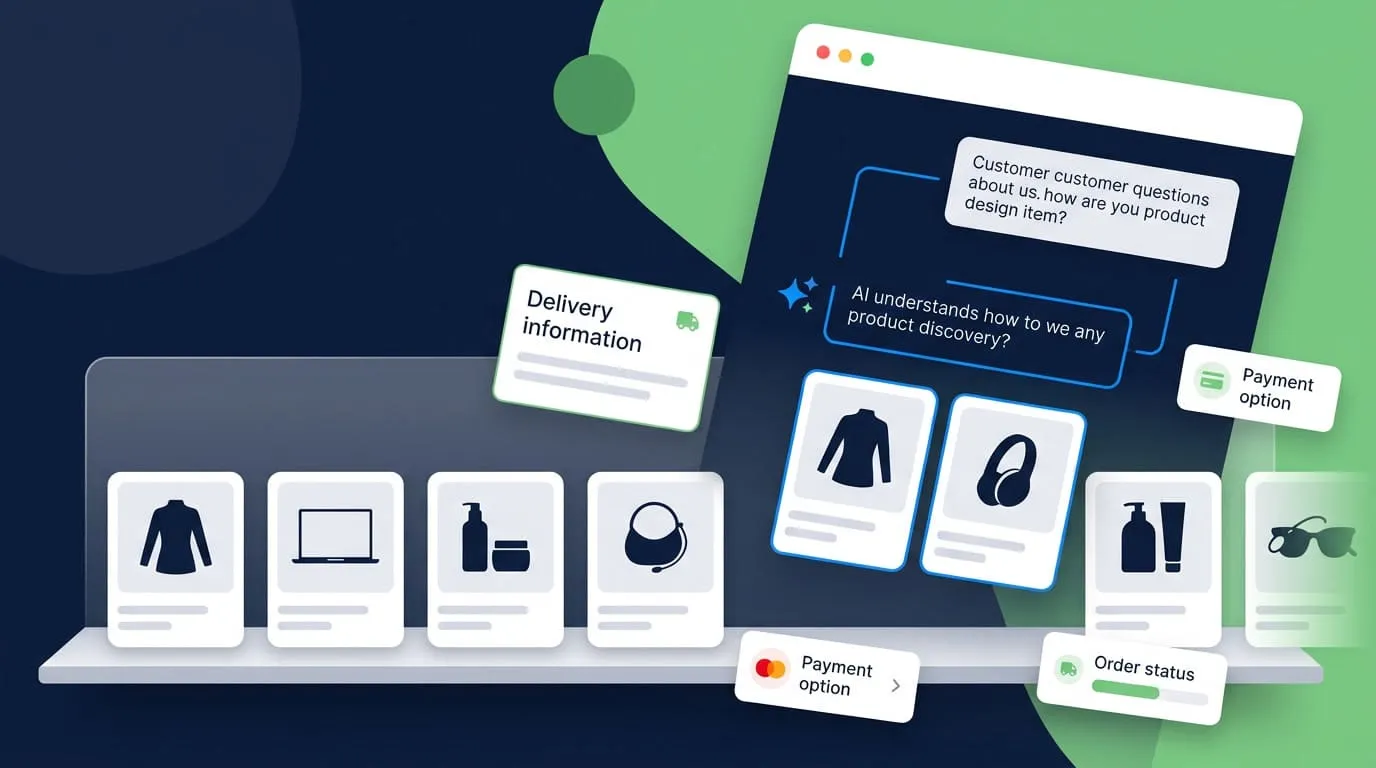
A chatbot can explain product details, compare options, check delivery areas, share payment methods, and guide the shopper toward checkout. The conversation feels closer to an in-store assistant, yet the buyer stays on the website or WhatsApp.
Good chatbot conversations use short replies and plain language. Product links appear at the right moment. The shopper receives enough detail to choose, then gets a clear next move.
Help Shoppers Find the Right Products Through Conversational AI
Large catalogs can feel tiring. Search bars often depend on exact product names, while shoppers think in terms of needs.
A customer may type, “I need a black dress for a work dinner.” Another may ask, “Which coffee machine suits a small office?” Conversational AI can understand the request and recommend suitable options.
Product discovery becomes easier when the chatbot asks useful questions:
Preferred size or color
Budget range
Main use
Delivery date
Product features
The answers help the chatbot narrow the list. Shoppers then see products that fit their real needs.
Use AI Chatbots to Deliver Personal Product Recommendations
Personal recommendations can raise average order value and make the store feel easier to use.
A chatbot can suggest related products based on the current item, past orders, stated preferences, or basket contents. Someone who buys a camera may need a memory card. A customer who chooses a dress may also want shoes or a bag.
Recommendations should feel relevant and calm. One useful suggestion can help. Ten random suggestions can create fatigue.
Customer data rules also matter. The chatbot should use approved information and follow the business’s privacy policy.
Automate Customer Support for Online Stores All Day
UAE shoppers place orders at many different hours. Some browse after work. Others shop late at night. International customers may visit during another time zone.
An AI chatbot can answer common questions all day. Delivery information, payment options, product details, branch hours, and return rules can stay available whenever the shopper asks.
The chatbot can also collect contact details and create a support request for the team. Staff then start the day with organized conversations instead of scattered messages.
How AI Chatbots Handle Order Tracking and Delivery Questions
Order tracking creates a large share of e-commerce support messages.
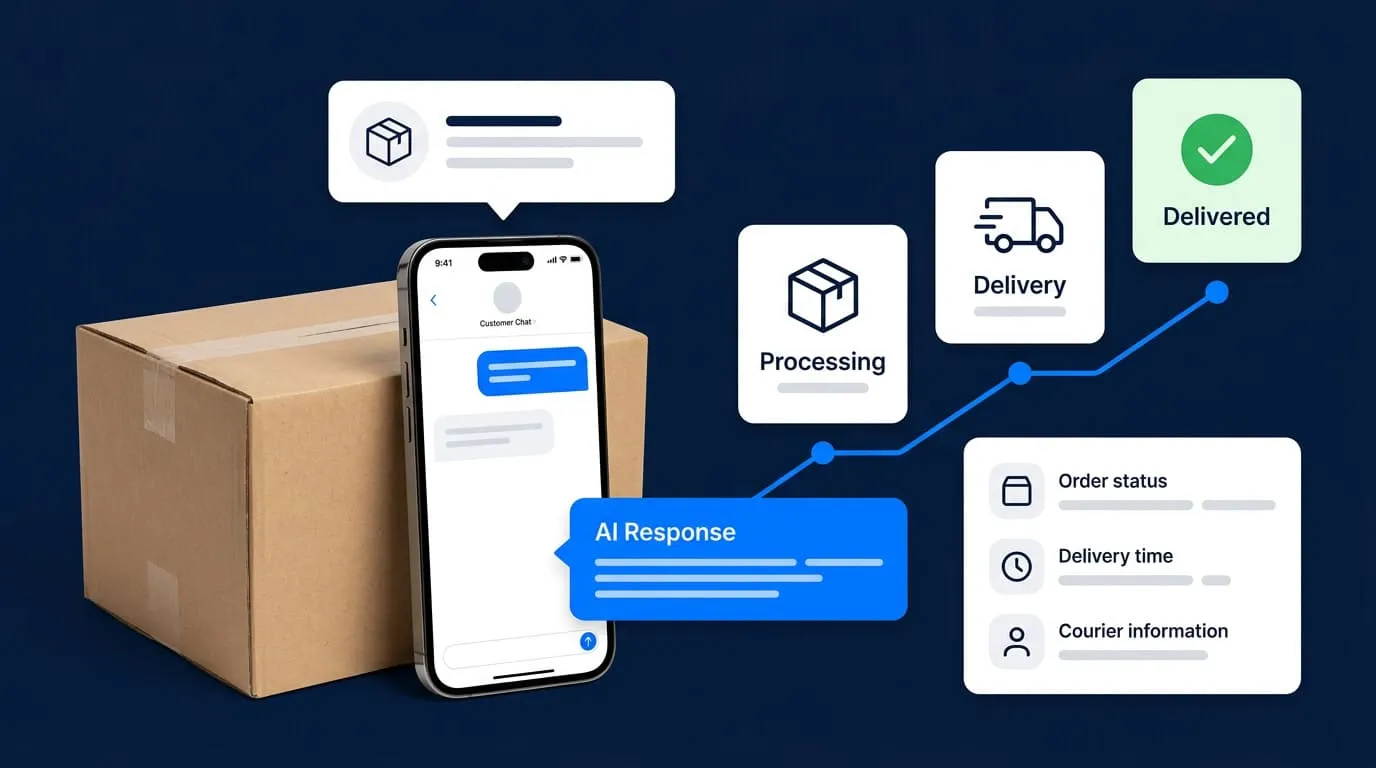
Customers usually want three things: current order status, expected delivery date, and courier information. A chatbot linked to the order system can provide those details after a simple identity check.
The shopper may enter an order number and phone number. The chatbot can then share the latest update or send the request to a team member when extra help is needed.
Automated order updates also reduce repeated contact. Customers receive useful information while the support team gains extra time.
Can AI Chatbots Reduce Cart Abandonment and Recover Lost Sales?
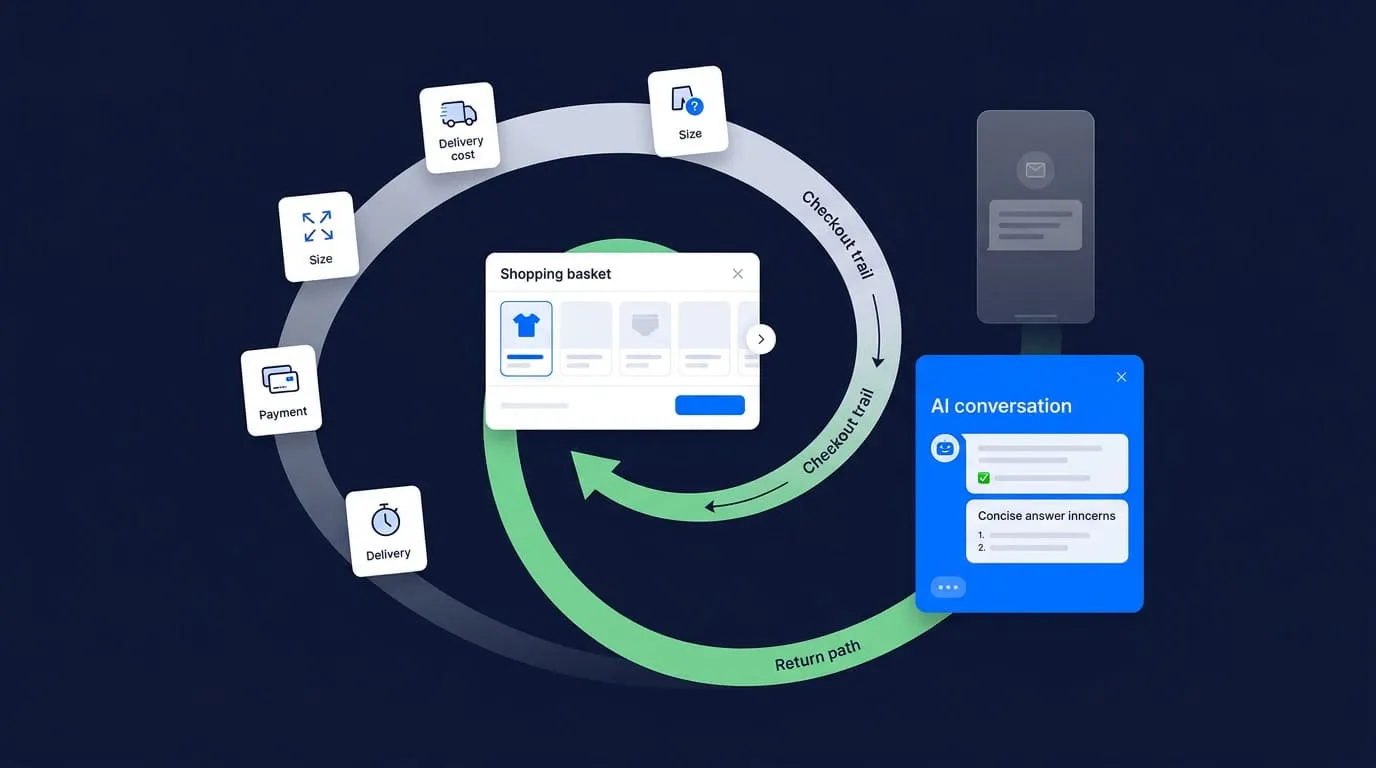
Yes. AI chatbots can help shoppers during common checkout hesitation.
A shopper may pause because the delivery cost feels unclear. Another may need size advice. Someone else may want to know if Apple Pay or cash on delivery is available.
The chatbot can offer help during the visit. It can answer the question and guide the buyer back to the basket.
Cart recovery can also continue through WhatsApp or email after customer consent. A friendly message with the saved product link can bring the shopper back while interest remains active.
Use WhatsApp AI Chatbots to Connect With UAE Online Shoppers
WhatsApp plays a major role in UAE customer communication. Many shoppers already use it for product questions, delivery updates, appointment requests, and support.
A WhatsApp AI chatbot can answer common questions, share product links, collect order details, and send approved updates. Customers stay inside a familiar channel.
Businesses can also route selected WhatsApp conversations to sales or support staff. The team receives the chat history, customer details, and stated need in one place.
Support Arabic and English Customers Through Multilingual AI Chatbots
UAE e-commerce audiences often use Arabic and English on the same day. Some shoppers switch between the two languages within a single conversation.
A multilingual AI chatbot can detect the customer’s language and reply in the same language. Product names, delivery rules, return terms, and promotional messages can follow approved wording.
Arabic quality deserves careful preparation. Brand names, product terms, dialect choices, and formal phrases should fit the business and audience.
Strong multilingual support helps more shoppers find useful answers while keeping the brand's tone consistent.
How AI Chatbots Automate Returns, Refunds, and Common Requests
Returns and refunds involve repeated questions and clear rules. A chatbot can explain the return window, accepted item condition, courier process, and refund timeline.
Customers can enter the order number and choose a reason. The chatbot can create a request, share the next instruction, and send the case to the right team.
Human review remains useful for damaged products, disputed deliveries, or unusual cases. The chatbot handles the early information while the team handles judgment.
Integrate AI Chatbots With Shopify, WooCommerce, and E-Commerce Systems
AI chatbots become more useful when they connect to the systems behind the store.
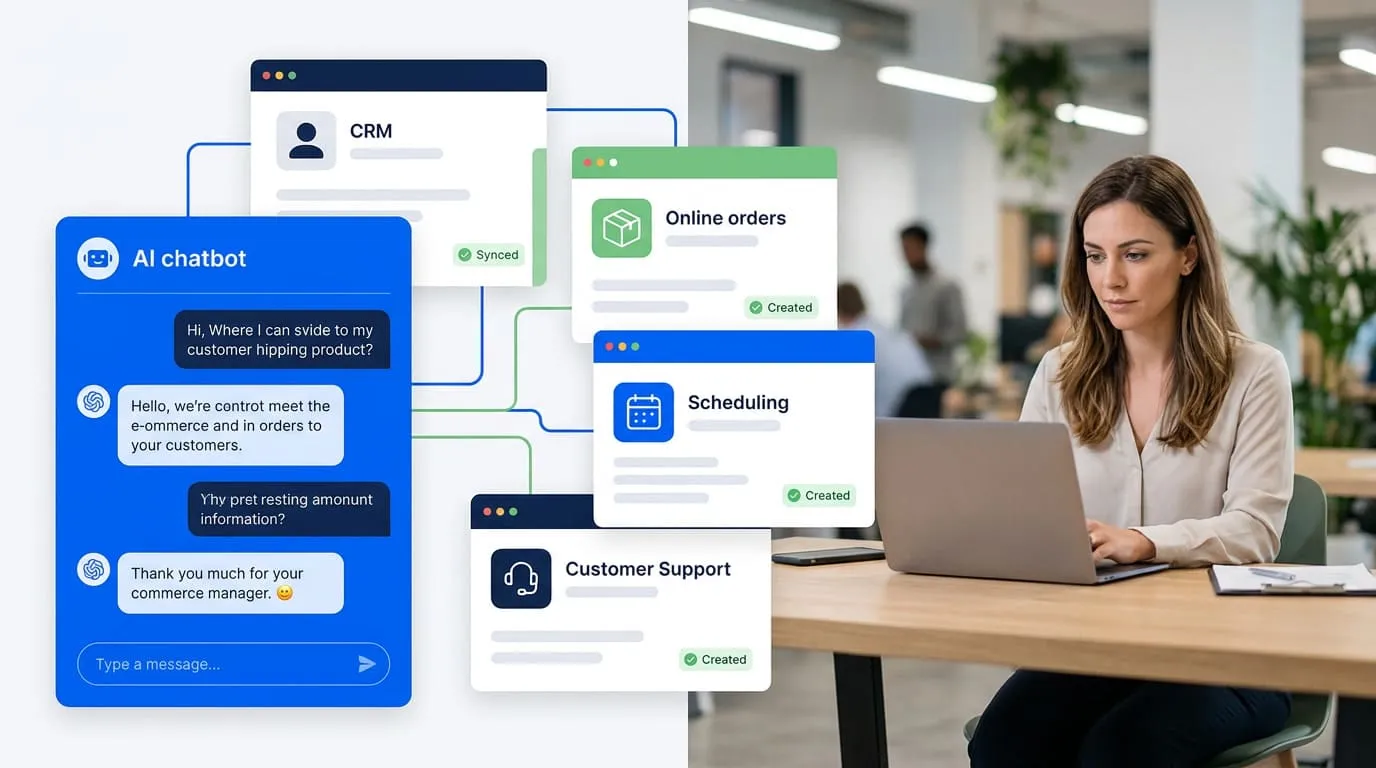
Shopify and WooCommerce links can give the chatbot access to product data, stock status, order details, and customer records. CRM links can create leads, update profiles, and assign conversations.
Other useful links include:
Payment systems
Courier systems
Email tools
WhatsApp
Loyalty programs
Help desk software
Connected systems allow the chatbot to complete real tasks instead of offering general replies.
When Should an AI Chatbot Escalate a Customer to a Human Agent
Human escalation works best when the conversation involves emotion, negotiation, risk, or a high-value purchase.
Common escalation cases include:
Complaints
High-value orders
Damaged products
Custom prices
Payment disputes
Requests outside the approved knowledge base
The chatbot should pass the full chat history to the team member. Customers then continue the conversation from the same point.
That small detail matters. Repeating the full story can frustrate people.
How AI Chatbots Help E-Commerce Businesses Scale Customer Conversations
Growth usually brings more orders and more questions. Customer contact can rise faster than the team.
AI chatbots give online stores extra capacity during sales periods, product launches, seasonal campaigns, and high-traffic days. Many shoppers can receive help at the same time.
The business can keep human staff for cases that need care and judgment. Routine questions move through the chatbot. Complex conversations reach the right person.
How to Measure the ROI of an E-Commerce AI Chatbot
Chatbot value should appear in business results.
Useful measures include:
First reply time
Number of conversations handled
Qualified leads
Cart recovery revenue
Average order value
Human escalation rate
Order tracking requests
Customer satisfaction
Support cost per conversation
Revenue matters, yet time savings matter too. A chatbot that handles hundreds of repeated questions can free the team for sales, product work, and customer relationships.
Build a Custom AI Chatbot for Your UAE E-Commerce Business With Operendia
Operendia builds custom AI chatbots for UAE e-commerce businesses.
The process starts with real customer questions, product data, sales goals, and internal systems. The chatbot can connect to Shopify, WooCommerce, WhatsApp, CRM tools, courier systems, and support software.
Arabic and English conversations can follow the brand’s approved language. Human escalation rules can route selected cases to sales or support teams.
The aim stays simple: help shoppers faster, recover more sales, reduce repeated work, and give the team better customer data.
A useful AI chatbot should feel like a capable colleague. It knows the catalog. It understands common questions. It gives people useful answers. When a human touch adds value, it passes the conversation to the right person.
 Make your brand matter.