Why Your Dubai Business Website Gets Traffic but No Enquiries
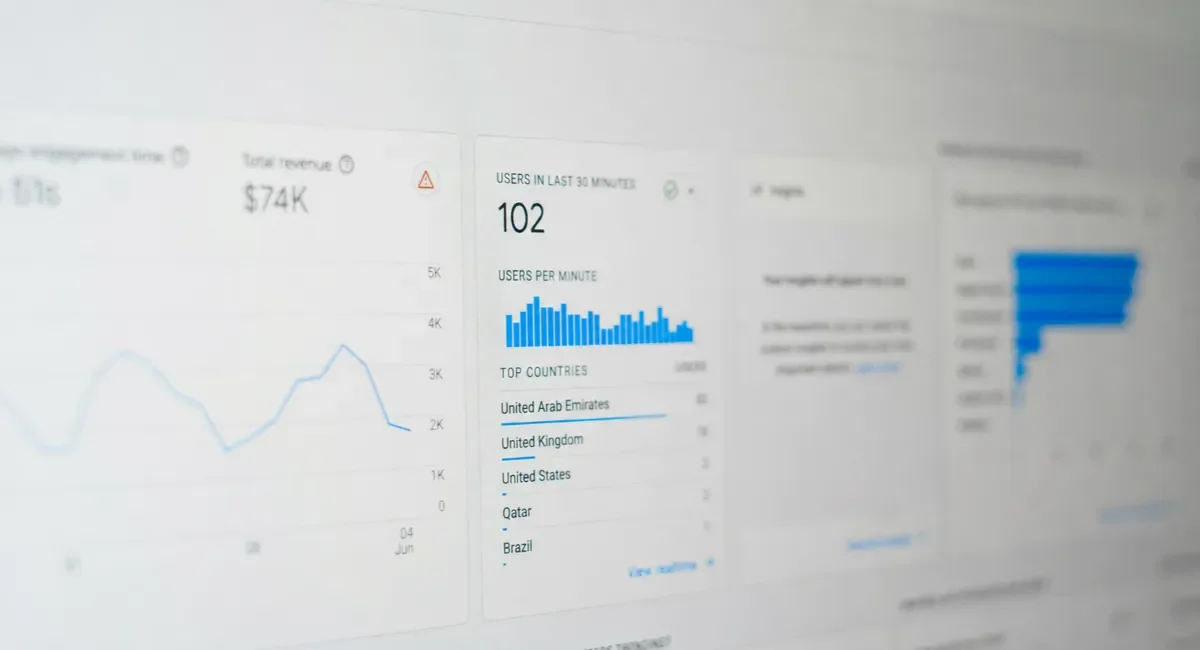
Traffic can make a website look healthy on paper. Sessions increase. Search visibility improves. More people arrive from Google, paid ads, social media, or referral sources. Yet the inbox stays quiet.
Many Dubai businesses run into exactly this problem. Their website receives visitors but produces very few calls, form submissions, WhatsApp conversations, or qualified leads.
Traffic alone rarely tells the full story.
A website has to attract people who could realistically buy. It needs to explain the service quickly. Pages need to answer the questions visitors have in their heads. Contact options need to work properly. Tracking needs to tell the business what happened after someone arrived.
One weak point can lower website conversion rates. Several weak points can create a site that receives plenty of activity and almost no business.
Are the Right People Visiting Your Website?
A traffic report can look impressive and still hide a serious problem: poor-quality website traffic.
One thousand visitors with little commercial interest can produce fewer inquiries than one hundred people actively searching for the service you sell.
Search intent matters here.
A Dubai accounting company may rank for broad educational searches and receive thousands of visits from students, job seekers, researchers, or people outside the UAE. Traffic rises, but qualified leads that Dubai businesses actually need remain flat.
Paid campaigns can create the same problem. Broad targeting may send large numbers of visitors to a website without enough purchase intent.
Look past total sessions. Review the search terms, locations, channels, devices, landing pages, and actions associated with your visitors.
Traffic becomes commercially useful when the people arriving have a realistic reason to contact you.
Does Your Website Make Your Services Clear?
Visitors rarely spend much time trying to understand what a company sells.
A person who lands on your homepage should quickly understand what you do, who you work with, and what problem you solve.
Many company websites bury useful information behind broad statements. Lines about innovation, excellence, partnerships, or future growth often say very little to a potential buyer.
A visitor looking for a lead generation website in Dubai wants clear answers.
What service do you provide?
Do you work in Dubai?
Can you solve the problem they currently have?
What happens if they contact you?
Clear service language helps visitors decide whether they belong on the site.
Confusion creates exits.
Are Visitors Landing on the Right Pages?
Google and paid campaigns often send visitors directly to internal pages rather than the homepage.
Landing page conversion can suffer when the page does not fit the visitor's original search.
Someone searching for SEO services should land on a page centered on SEO. Someone searching for website development should see website development information. Someone searching for marketing automation needs a page related to marketing automation.
Sending everyone to one generic homepage puts extra work on the visitor.
Service page optimization can fix much of this problem.
Individual service pages can answer specific questions, explain the commercial value, provide proof, and give the visitor a clear next action.
Strong traffic paired with weak landing pages often creates a Dubai website that does not generate leads despite healthy visitor numbers.
Is Your Website Easy to Use on Mobile?
Many people will first see your website on a phone.
Mobile website user experience affects how easily someone can read the page, compare services, open menus, tap buttons, complete forms, or start a WhatsApp conversation.
Small text creates friction. Slow pages test patience. Buttons placed too close together cause mistakes. Long forms feel tiring on a phone. Pop-ups can block the page. Poor spacing can make simple tasks harder than they need to be.
Check your site on several real phones rather than relying only on a desktop browser preview.
Try to use it like a customer.
Read the service page. Open the menu. Find a phone number. Send a form. Tap WhatsApp. Move between pages.
Small mobile problems can quietly cost inquiries day after day.
Do Your Calls to Action Tell Visitors What to Do Next?
An unclear call to action creates hesitation.
Visitors should not have to guess what comes next.
“Learn More” may work in certain places, but it often lacks enough direction near a buying decision.
“Request a Proposal,” “Book a Consultation,” “Talk to Our Team,” or “Request Pricing” tells the visitor what will happen after the click.
The right wording depends on the service and buying process.
Placement matters too.
A call to action hidden at the bottom of a long page may never get seen. Too many competing buttons can create another problem because the visitor has no obvious priority.
Good website conversion optimization gives visitors a clear path toward contact without making the page feel aggressive.
Are Your Contact Forms and WhatsApp Buttons Working Properly?
Contact form issues are surprisingly common.
A form can appear to submit correctly but fail to send the lead to the sales team. An email notification may go to spam. A WhatsApp button may point to the wrong number. A mobile button may fail on certain devices.
Businesses sometimes spend thousands of dirhams on ads before checking these basic functions.
Test every contact route yourself.
Submit forms from desktop and mobile. Call the listed phone numbers. Test every WhatsApp link. Check confirmation messages. Verify where form submissions arrive.
WhatsApp lead tracking deserves particular care in Dubai because many buyers prefer direct messaging.
Clicks alone do not tell you whether a real conversation happened.
Does Your Website Give Visitors Enough Reason to Trust You?
People rarely contact a company simply because the website looks attractive.
They want reasons to believe the company can do the work.
Client names can help when permission exists. Case studies can explain previous results. Reviews can provide outside proof. Team information can show who sits behind the company. Clear contact information can reduce uncertainty.
Real work matters more than broad claims.
A case study that explains the client's problem, the work completed, and the commercial result gives a potential buyer useful context.
Visitors often compare several Dubai companies before they send an inquiry.
Credibility can influence which tab stays open.
Are You Tracking Inquiries and Qualified Leads Correctly?
A website can produce leads without reporting them correctly.
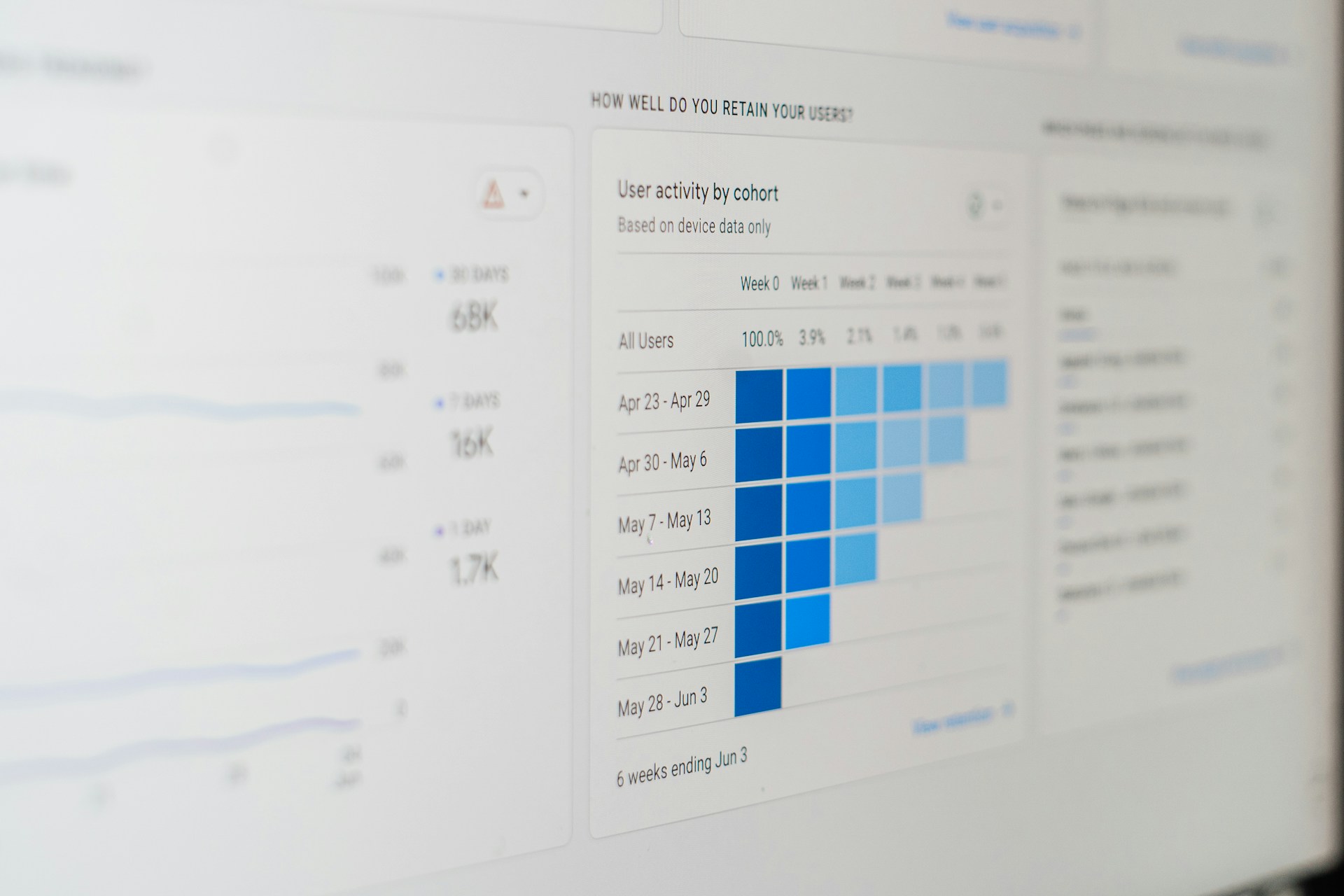
Google Analytics lead tracking needs proper event setup. Form submissions, phone clicks, WhatsApp clicks, email clicks, booking requests, and other conversion actions need separate measurement.
Yet raw conversion counts still have limits.
A job applicant is not a sales lead. A vendor inquiry is not a customer inquiry. Spam is not a pipeline.
Qualified lead tracking helps you separate website activity from commercial value.
Connect website data with CRM records whenever possible. Track which source produced the lead, which page started the session, which service interested the visitor, and whether the lead became a real sales opportunity.
Better measurement changes marketing decisions.

What Should You Fix First to Get More Visitors to Inquire?
Start with the points closest to revenue.
Check all contact methods. Review your highest-traffic service pages. Compare traffic sources with actual inquiries. Study mobile behavior. Review pages with strong traffic and weak conversion rates.
One pattern usually appears.
Perhaps SEO attracts informational visitors with little buying intent.
Perhaps paid traffic lands on the wrong page.
Perhaps service pages explain too little.
Perhaps the contact form has too many fields.
Perhaps WhatsApp clicks happen, but nobody tracks the conversations.
Fixing the biggest commercial leak first usually produces more value than redesigning the entire website without evidence.
How Can Operendia Help Convert Website Traffic into Inquiries?
OPERENDIA looks at the commercial system behind website performance rather than treating traffic as the final goal.
Traffic acquisition, landing pages, service pages, conversion paths, analytics, lead tracking, CRM data, paid media, SEO, and sales activity need to support the same commercial objective.
Website visitors should have a clear path from first visit to inquiry.
OPERENDIA can examine where qualified visitors come from, which pages receive them, how people move through the site, where contact attempts drop, and which sources produce sales opportunities.
Work can then concentrate on the areas causing the largest loss.
A website with traffic already has something useful: people are arriving.
The next question is what happens after they arrive.
More traffic is not always the answer.
Better traffic, clearer pages, easier contact, stronger proof, and accurate lead tracking can change what the website contributes to the business.
A company website should do more than collect visits.
It should help interested people have real conversations.
 Make your brand matter.