Where Shoppers Look When They Decide What to Buy

Someone comparing travel mugs may read a buyer’s account of a leaky lid during lunch, then check a retailer’s product page for the dimensions. Later, a shop visit settles the question of how the lid feels in one hand. If the sale appears in the store’s register, the merchant sees the purchase and little of the earlier research. DoubleVerify’s new survey puts numbers on where consumers say they researched purchases. Few order records trace all the earlier research.
What DoubleVerify Measured
DoubleVerify released its shopping research findings on November 19, 2026, after commissioning Sapio Research to field the survey in February. The published method describes online responses from 22,000 consumers in 21 countries and a separate survey of 2,020 marketing and advertising decision-makers in 25 countries. Respondents in both surveys included people in the UAE. Since the figures pool consumer responses across markets, a Dubai retailer needs local observations to estimate how its own buyers research.
Forty percent cited customer reviews as a research channel, compared with 39 percent for search engines. AI chat assistants drew 17 percent. The channels overlap, so one shopper may count in all three figures. Read the first two figures as similar headline estimates; the one-point gap alone leaves the ordering uncertain. Respondents chose the places they recalled using. To determine how much a particular channel contributed to sales, a retailer needs a comparison supported by its own purchase records.
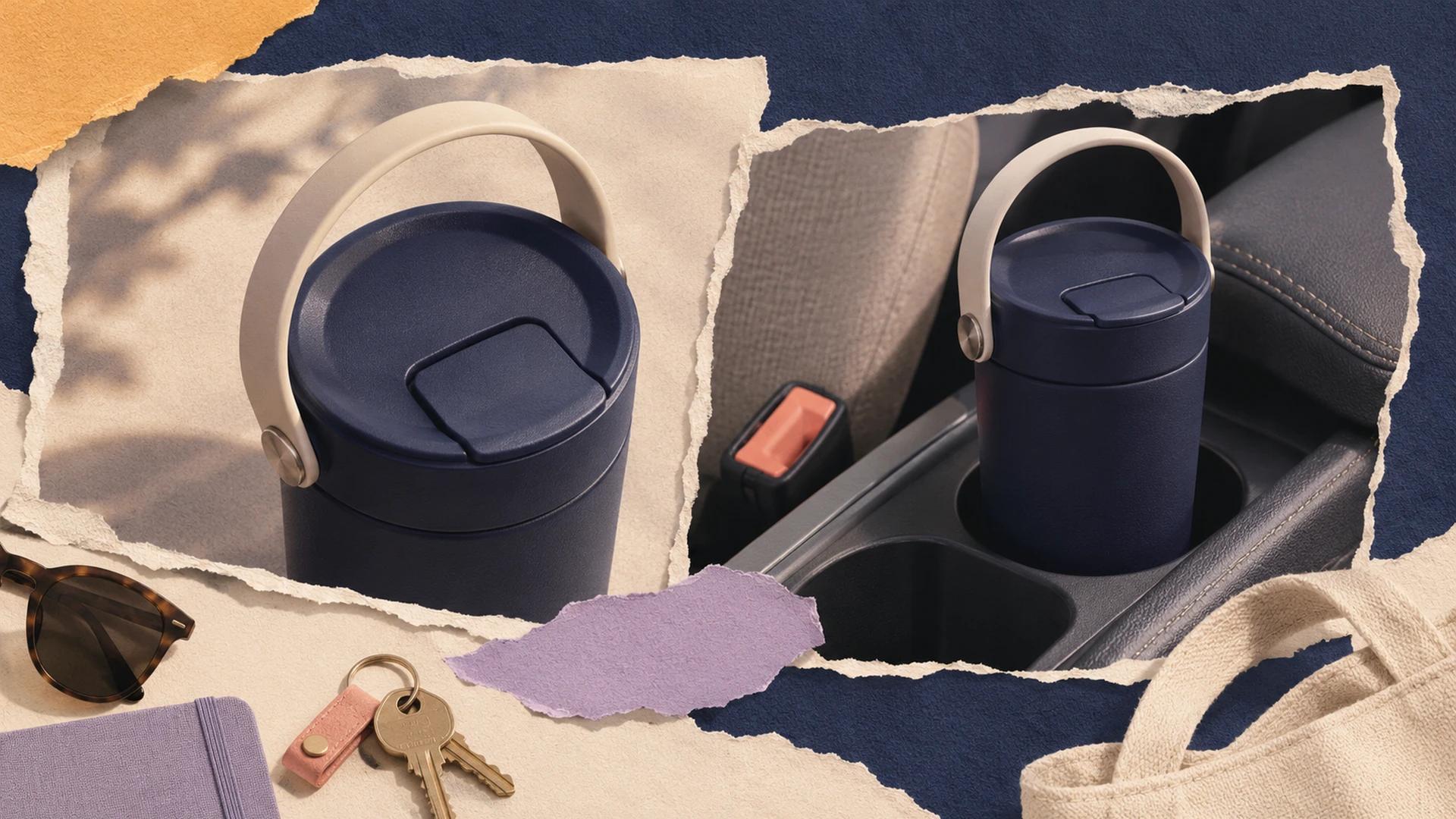
Research and Purchase Are Different Questions
In a separate question from the research-channel figures, 52 percent of consumers reported an in-store purchase during the preceding year. Someone may compare cup sizes on a phone and then buy at a mall, just as a shopper may inspect a mug at the mall and buy it online the following week. The 52 percent figure refers to people who reported making a store purchase during the period. Treat the venue where the sale occurred as its own fact.
For a retailer planning next month’s work, the useful distinction starts with the gap between the information a customer needs and the evidence its systems can collect. Searches for leakproof lids may spike in the same week that shop sales rise. Record when the color came back into stock and whether a promotion changed the price. Both events can affect purchases during the same reporting period. If the promoted mug was unavailable for pickup at two branches, the retailer can examine those branches, in addition to the ones able to fulfill its offer.

Put the Product Answer Where People Can Check It
Say a UAE retailer wants shoppers to compare two travel mugs whose photos look almost identical on a phone. Size should be near the purchase button, with corresponding dimensions for the lid and body where they differ. If the larger mug fits a narrower cup holder only at the base, publish the base diameter. The number a buyer needs may differ from the measurement the supplier printed on the carton.
When a review praises a lid the buyer opened with one hand, link the review to the model the buyer used, especially if the newer cap uses another mechanism. Read recurring complaints about the product description and customer service notes. Mix-ups over model names make it easy to apply a sound observation to the wrong item. If reviewers repeatedly ask whether a replacement gasket is sold, the answer belongs next to the spare part and on the compatible product page. Operendia’s market research work treats reviews as evidence worth reading in context; the useful work for a retailer is deciding which business claim the buyer’s language tests.
The store may need to reconcile its shelf label and online listing if a shopper recognizes the photo yet finds a different name at checkout. Agree on a readable product name and keep the model identifier the same in both places. For colors exclusive to a branch, publish the branch name beside the availability information. Staff can then use the same item reference when checking whether a caller can pick it up.
Read Search Visibility on Its Own Terms
Google’s AI search impression guidance describes a Search Console report for organic links shown in AI Overviews and AI Mode. Eligible properties can examine impressions by canonical page, country, or device, if the report is available to them. Someone who wants to know if a collection page appeared in those Google surfaces can start there; it answers a narrower question than whether an assistant led a customer to an order. Impressions record visibility. Visits and paid orders require separate records.
On November 16, Google described a separate Search Analytics API update, with branded query classification for eligible properties and added filters. Keep the new Google AI report separate when comparing visibility across report types. Google can already count AI impressions in general Web performance, so adding the report totals would double-count some impressions. The Google report covers Google’s products; shared links or visits from other AI assistants require their own measurement source. Operendia’s search work starts with the terms buyers use, which is useful when the page Google shows answers a different question from the one customers ask in the store.
Search reporting can answer a useful intermediate question when buyers land on the wrong page for a recurring comparison. If people arrive at the older mug’s listing after searching for a newer model, the retailer can update the older listing’s relationship to the new product and observe which page receives subsequent impressions. Keep a dated record of the change so the analyst can separate it from a simultaneous price edit.
Read the Collection as a Small Commercial Test
Choose one collection with enough sales to show a meaningful change and keep the first reporting period narrow enough to read. For the travel mugs, find the pages shown in the model comparisons and inspect their canonical URLs in Search Console. Record UAE clicks where available and match visits to the specific product pages in site analytics. Mobile visitors may land on a product page even when the retailer expected them to see its comparison page. Search Console groups dates in Pacific Time, so note the time zone offset when comparing its daily chart with UAE order records. Weekly windows or a documented time conversion reduce avoidable discrepancies.
Use an item-level order report alongside the search data so the count of completed online purchases comes from a separate record. Paid orders answer the purchase question; basket additions describe an earlier action. If store staff already log customer questions, pull relevant requests for the same products by week and review them alongside item-level stock. People may ask for a mug after seeing it in several places, so retain an unknown channel when the answer is missing. Store-level totals still help identify where a stock outage broke the path from a question to a purchase.
Suppose the retailer publishes a better lid comparison and the collection’s mobile visits rise during the next two weeks. If paid orders stay flat, an out-of-stock item or a price change may account for part of the pattern. Start by ruling in or out those recorded changes as far as the data allow. If the retailer later needs a causal sales estimate, plan a rollout across matched stores and document the assumptions used to compare sales. The pooled DoubleVerify survey supplies a reason to check a channel. Local order records help the retailer decide what it needs to test.
Budget decisions can wait until the sales team sees which gaps it can remedy and whether the records tell a consistent story. If shoppers keep asking for a dimension the page omits, publish the measurement and track the item’s visits and orders after it appears. Treat a stronger search impression series as a visibility result until purchase evidence supports a stronger conclusion.
 Make your brand matter.