Marketing Is the Distribution of Belief

Marketing often gets reduced to communication. Write the line. Pick the channel. Buy the media. Publish the post. Run the campaign. Watch the numbers. Repeat.
None of those things is useless. They are simply not the main event.
People rarely change their behavior because they received a message. People change their behavior when an idea starts to feel true to them.
Nobody buys a brand because it successfully delivered 12 pieces of content. Nobody recommends a company because its media plan reached the correct frequency. People buy when they believe something meaningful. People recommend that when they want someone else to share the same belief.
Marketing has always worked this way.
The message can start the conversation. Belief is what moves the person.
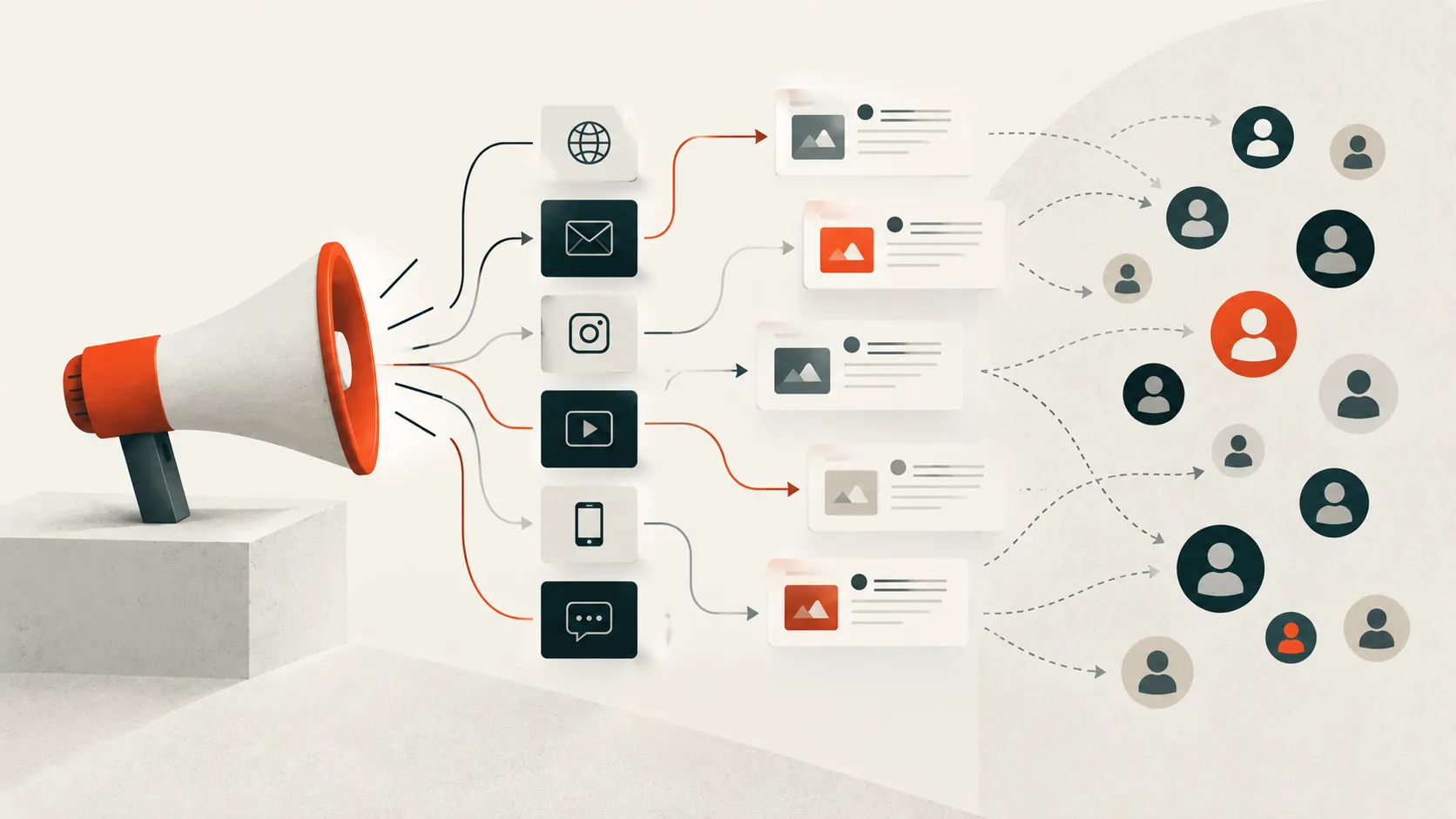
Messages Can Travel without Meaning
One message can reach millions of people and still achieve very little.
Reach tells us who had the chance to see something. Frequency tells us how often they had the chance. Neither number tells us what happened in the audience's mind.
Someone can see an ad six times and feel nothing. Someone else can hear one sentence from a trusted friend and change a buying decision within minutes.
The difference is belief.
Belief gives information personal meaning. It changes a statement from something the company said to something the customer accepts as true.
“Volvo is safe” is a message.
“I would feel safer putting my family in a Volvo” is a belief.
“Nike celebrates athletes” is a message.
“Nike understands the kind of person I want to be when I train” is a belief.
“Apple makes premium technology” is a message.
“Apple feels like the right choice for people like me” is a belief.
Commercial power begins when the company's language becomes the customer's private reasoning.
Belief Changes Behavior
People can remember advertising without buying anything.
They can recognize a logo without caring for the company behind it. They can quote a slogan and choose a competitor within 10 minutes. Memory has value. Familiarity has value. Neither one automatically creates preference.
Belief does.
Purchase decisions often contain a quiet internal sentence.
“I trust them.”
“People like me use it.”
“It is worth the money.”
“They understand my problem.”
“I would feel good choosing them.”
“I know what I am getting.”
A few of those sentences appear in a media plan. Yet they sit very close to the moment when money changes hands.
Good marketing helps the customer reach one of those conclusions without forcing it. The work gives people enough evidence to arrive there themselves.
Pressure can create a transaction. Belief can create a customer.
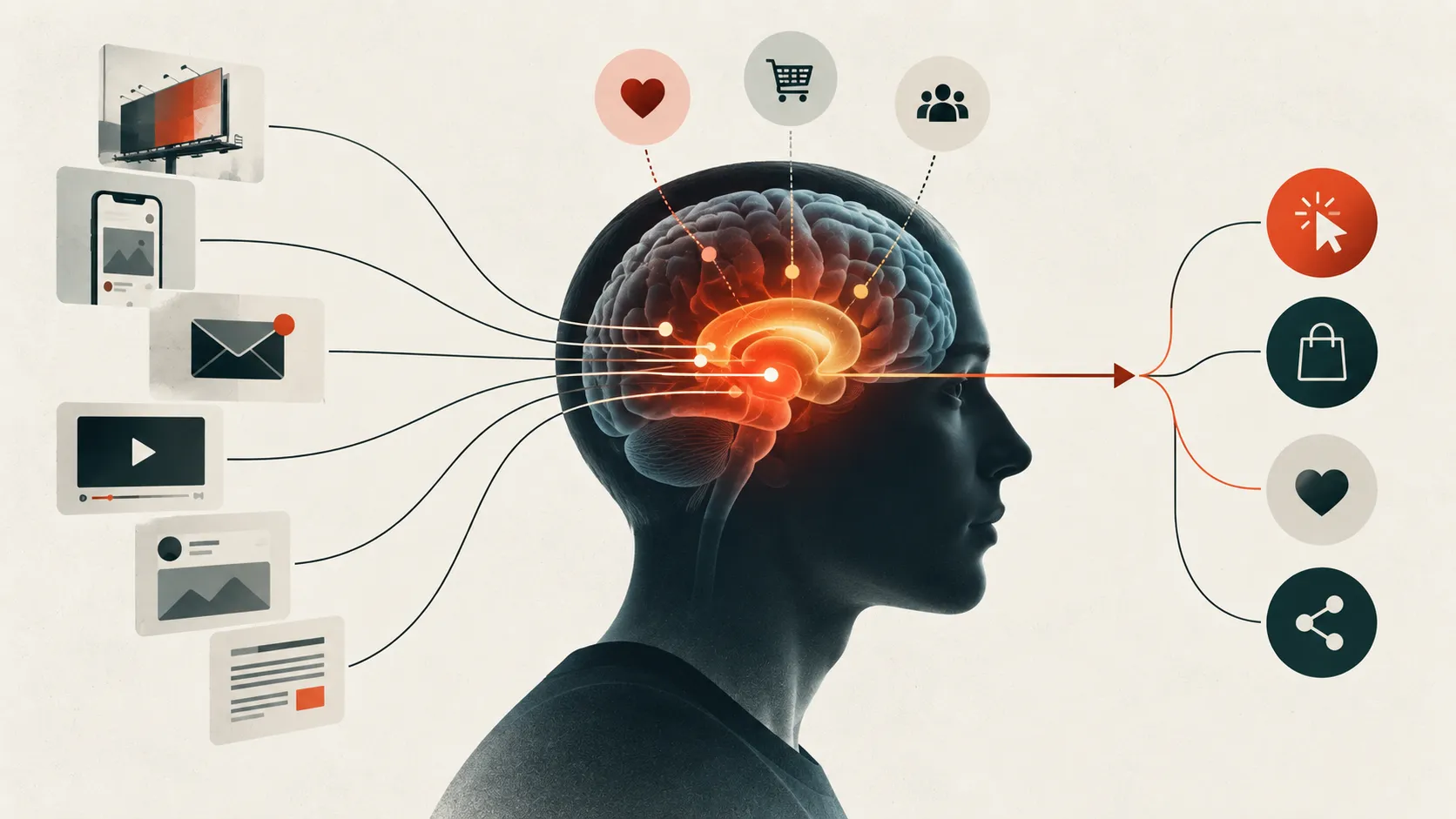
People Borrow Belief from People They Trust
Humans learn socially.
We watch what people around us choose. We notice what our peers praise. We remember what our friends warn us against. We use people we trust as evidence when uncertainty feels expensive.
Marketing becomes far stronger when belief moves between customers.
Someone saying “I love this product” has value. Someone explaining why they trust it has far greater commercial value.
Reason gives a belief structure.
Friends may say a restaurant is worth visiting because the food has stayed consistent for years. Founders may earn credibility because customers have seen the same promise kept repeatedly. Communities may prefer one brand because using it says something they value in themselves.
None of those examples relies on a louder distribution.
They rely on credible belief moving from one person to another.
Strong Brands Give People Something Worth Believing
Weak marketing often starts with the question “What should we say?”
Stronger marketing starts somewhere earlier.
“What should people believe after meeting us?”
The answer changes the work.
Companies seeking a reputation for dependability need proof of dependable behavior. Companies seeking a reputation for invention need products and decisions that support the claim. Companies seeking a reputation for generosity need policies that feel generous when money is involved.
Language cannot rescue contradiction for very long.
People compare the promise with the product. They compare the ad with the service. They compare the brand story with employee behavior. They compare the price with the value they received.
Belief grows when all parts support the same conclusion.
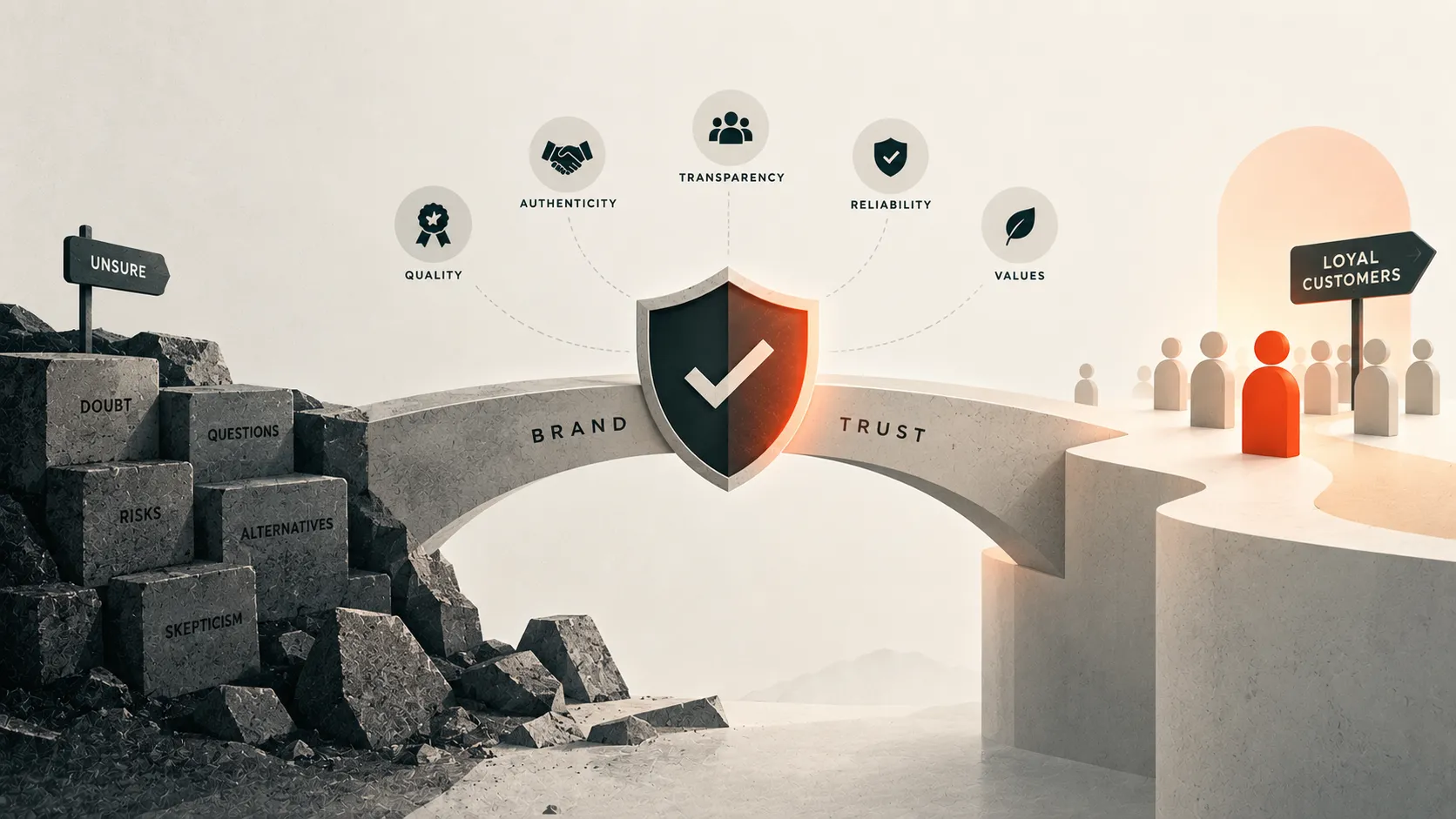
Belief Is Built through Evidence
Marketers sometimes treat persuasion as a writing problem.
Words matter. Proof matters more.
Reviews are proof.
Repeat customers are proof.
Visible product quality is proof.
Fast support can be proof.
Clear pricing can be proof.
Founders who keep public promises can be proof.
Products people willingly recommend can be proof.
The strongest message often works because reality has already prepared the audience to believe it.
Marketing becomes much harder when communication has to compensate for weak evidence. Media spend may increase awareness. Clever copy may create curiosity. Discounts may create short bursts of demand. Weak belief still limits how far the brand can go.
People eventually compare the claim with what happened.
Reality gets the final vote.
Shared Belief Creates Category Power
The most valuable brands often own a belief bigger than a product feature.
People may believe a certain company is the safest choice. They may believe another is the easiest choice. They may believe one brand understands professionals better. They may believe another belongs to people who value design.
Competitive advantage strengthens when customers can articulate their beliefs in their own words.
Company language is fragile. Customer language is powerful.
Once people repeat the idea without being asked, the reputation begins to compound.
Paid media can introduce the idea. Product use can validate it. Customer stories can strengthen it. Culture can spread it.
The company starts the sentence. The market finishes it.
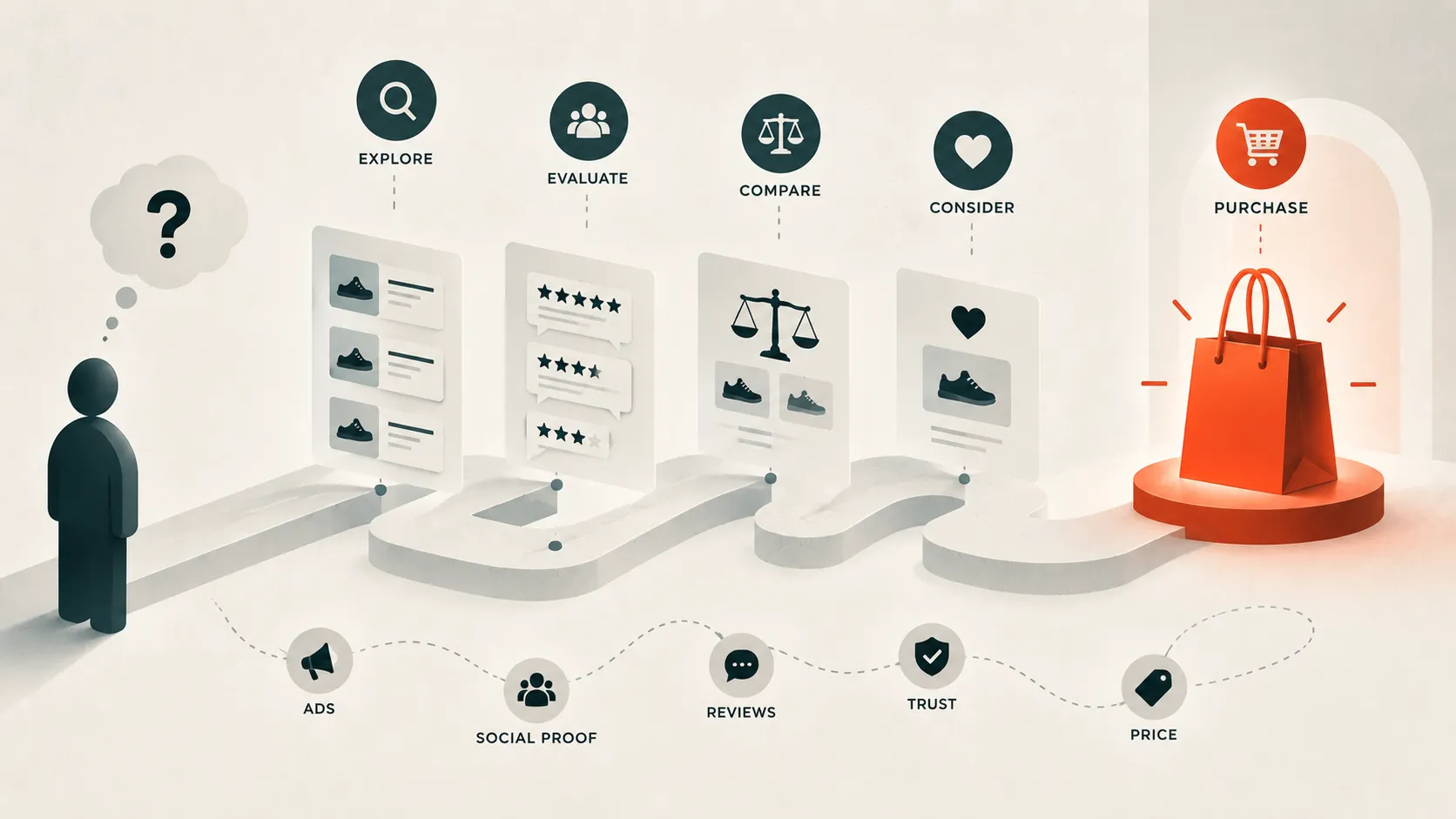
Belief Gives Marketing a Better Question
Many marketing meetings ask how to increase reach.
One better question is “What belief are we trying to spread?”
Another useful question follows.
“What would someone need to see before believing it?”
Both questions lead to better decisions because they connect communication with reality.
If the desired belief is “they are easy to work with,” then the sales process matters.
If the desired belief is “quality matters to them,” then the product matters.
If the desired belief is “they understand me,” then research matters.
If the desired belief is “people like me choose them,” then community matters.
Marketing stops behaving like a broadcast department and starts influencing the whole commercial system.
Distribution Is Still Necessary. Belief Makes It Valuable.
Media still matters.
Distribution still matters.
Creative work still matters.
Frequency still matters.
The point is not to abandon messages. The point is to understand their job.
Messages are carriers.
Belief is the payload.
Campaigns work when they give people language for something they can accept as true. Brands grow when enough people accept the idea and repeat it. Loyalty gets stronger when repeated contact keeps proving the belief correct.
Marketing at its best is not a company talking louder.
It is a market that agrees more often.
The strongest brands reach a point where customers help distribute the belief without instruction. Recommendations sound natural because the belief already feels personal. Preference becomes easier because the customer already knows what the brand means to them.
Advertising can buy attention.
Belief has to be earned.
Once belief exists, distribution becomes far more powerful because the message has somewhere to land.
Marketing is not the distribution of messages.
It is the distribution of belief.
 Make your brand matter.