Great Marketing Starts With “Who Is It For?

Most companies begin in the wrong place.
What should we sell?
What should the campaign say?
Which channel should receive the budget?
How many people can we reach?
Operendia prefers an earlier question:
Who is it for?
Four ordinary words can change a company’s product, language, price, distribution, service model, sales process, and commercial future.
The question asks a company to make a choice.
Choose the people whose problems deserve their energy. Choose the people who value its promise. Choose the people whose worldview gives the offer meaning.
Seth Godin places this thinking near the center of modern marketing. His smallest viable market principle asks marketers to seek a specific group whose needs and beliefs they can satisfy with genuine care. Operendia uses the same question alongside “What is it for?” as a governing principle for brand and market decisions.
The idea sounds simple.
Living by it requires courage.
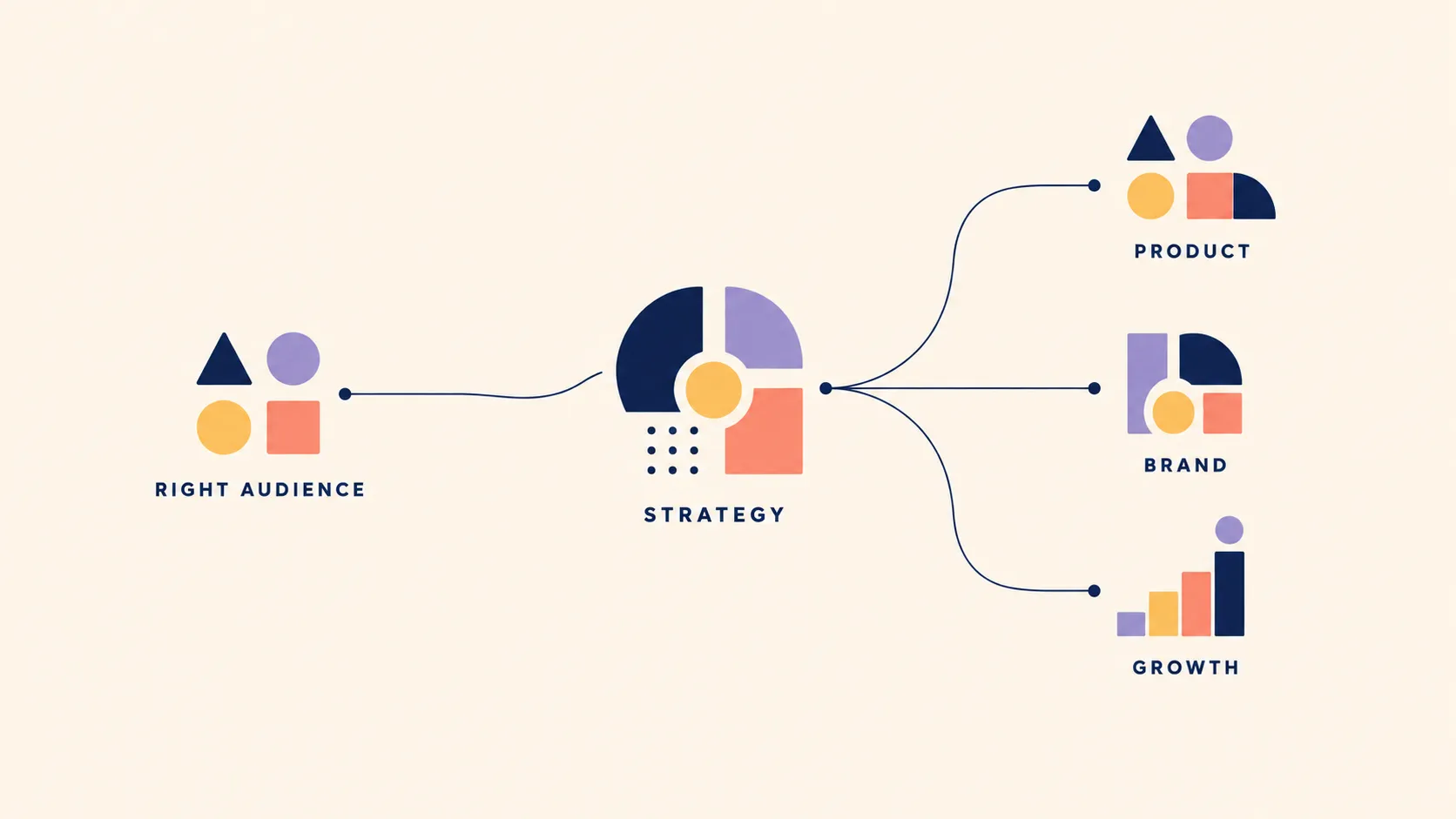
Marketing Begins With Empathy
Useful marketing starts when a company becomes curious about another person.
What does this person believe?
What does this person fear?
What does this person hope will change?
Which problem feels urgent?
Which trade-off feels acceptable?
Which language feels natural?
Empathy changes the marketer’s position. The company stops looking at a human being as traffic, a click, a demographic entry, or an email address. It starts with seeing someone with a worldview and a desired future.
Operendia’s doctrine treats audience psychology through psychographics, status, cultural affiliation, fear, aspiration, and internal narrative. Demographic facts can help describe someone. Beliefs help explain choice.
That difference matters.
Two people can share the same age, income, city, and profession while wanting completely different things.
One founder may want rapid expansion and public recognition.
Another founder may value independence and a small, profitable company.
Same demographic profile. Different worldview.
Marketing becomes useful when it respects the difference.
Service Changes the Question
Traditional commercial thinking often starts with inventory.
“We have this product. Who can we sell it to?”
A better orientation starts with service.
“Who do we want to help, and which change can we help them achieve?”
That question produces a different company.
Product decisions change because the buyer’s desired change becomes central. Copy changes because the company speaks to a real concern. Sales change because qualification becomes easier. Brand strategy changes because the promise has a specific recipient.
Generosity enters the commercial model here.
Generosity means creating something useful for a chosen group and giving that group a reason to care.
The company earns attention because the work matters to someone.

Why “Everyone” Is a Weak Audience
“Everyone” sounds ambitious.
Commercially, it often produces average decisions.
Products for everyone need broad compromises. Messages for everyone need generic language. Advertising for everyone burns money because relevance falls.
Specificity creates strength.
Consider a software company that says:
“Our software helps businesses become more productive.”
The sentence leaves almost nothing for a buyer to recognize.
Now consider:
“Our software is for independent architecture studios that lose billable hours to project administration.”
The second version immediately creates useful decisions.
Product features can follow the studio’s work. Website language can use familiar problems. Sales can identify suitable firms. Advertising can target relevant demand. Pricing can correspond to the economic value created.
Choosing a smaller audience gives the company a clearer commercial job.
The Smallest Viable Market
Seth Godin’s smallest viable market principle asks a marketer to identify the smallest group capable of sustaining the work.
The word smallest carries the real lesson.
Most marketers instinctively seek maximum reach. Godin asks a different question: how few people can we serve exceptionally well and still create a viable business?
Operendia applies the same thinking to market entry and audience strategy. Its doctrine prioritizes a tightly selected community with shared needs, values, and psychographics over millions of indifferent viewers.
Small does not mean insignificant.
Small means specific.
A restaurant may choose people who care intensely about regional Turkish cooking.
A financial firm may choose founders who are preparing companies for acquisition.
A technology company may choose logistics teams managing temperature-sensitive cargo.
A fashion label may choose women who reject seasonal consumption and value long product use.
Once the group becomes specific, strategic decisions become easier.
Specific People Create Specific Products
Audience choice reaches far past advertising.
It affects the product itself.
Suppose a hotel says it wants business travelers.
That category still covers too much human variation.
Which business traveler?
The consultant who arrives for one night and values efficiency?
The founder who stays for two weeks and needs privacy?
The creative director who chooses places based on cultural character?
The executive assistant who books for senior leadership and values reliability?
Each person defines a different commercial problem.
A company gains strategic strength when product decisions respond to a chosen person’s priorities.
Marketing then begins earlier than promotion.
It begins with the decision concerning who deserves the product.
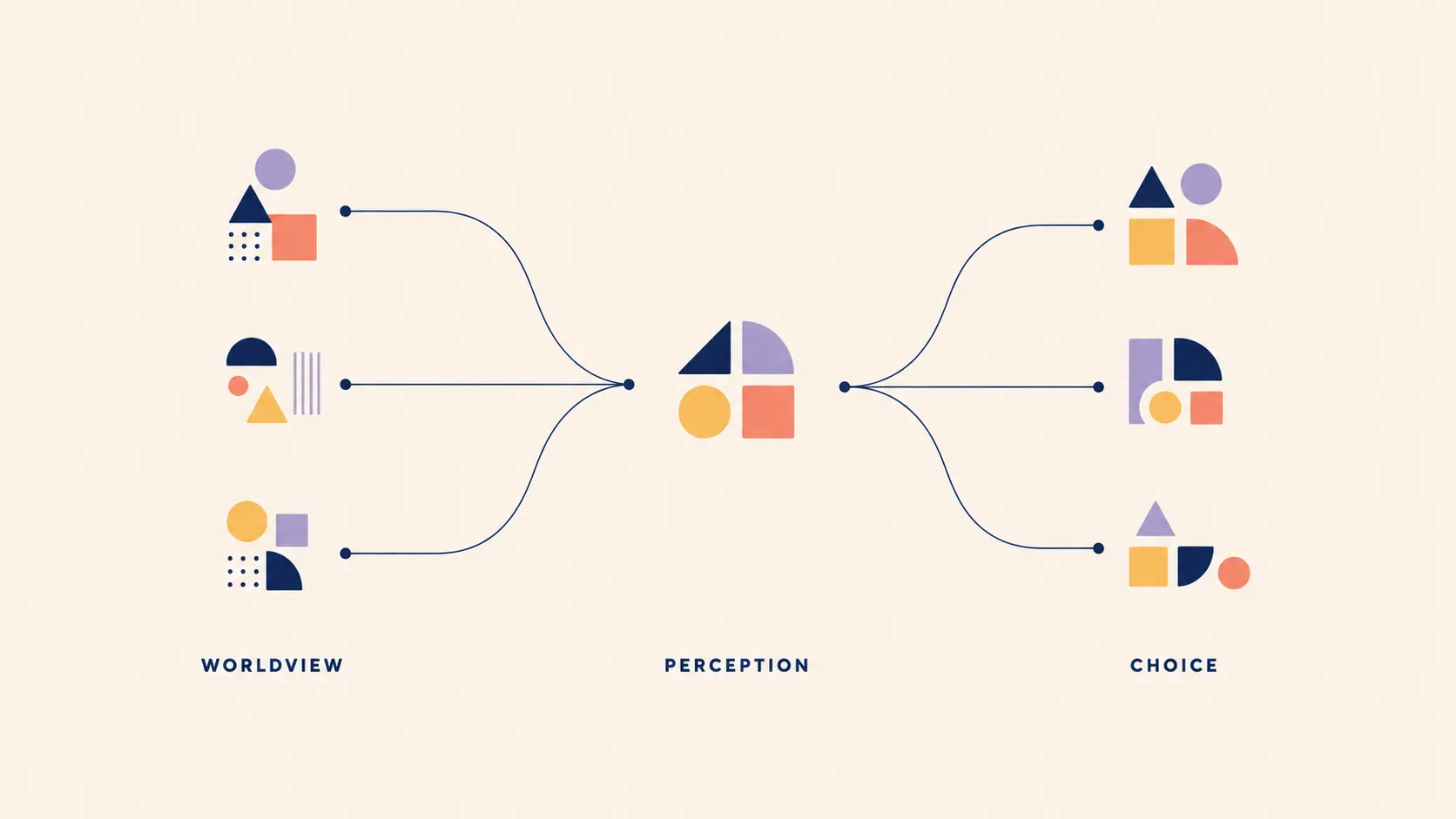
Worldview Matters More Than Demographics
People interpret offers through existing beliefs.
A person who views price as a signal of status reads a high price one way.
Someone who values thrift reads the same price differently.
A customer who sees technology as a form of liberation may welcome automation.
Another customer may value human interaction and personal judgment.
Neither interpretation lives inside the product itself.
Meaning happens inside the customer’s mind.
Operendia’s audience doctrine, therefore, gives psychographics and cultural identity a central role. The principle “People Like Us Do Things Like This” expresses the social side of choice: people often select products that reinforce identity and affiliation.
Good marketing understands the story already present in the audience’s mind.
Then the company decides if its promise belongs there.
Identity Drives Choice
People buy practical utility.
They also buy signals.
A car can provide transportation while communicating status.
A notebook can store words while communicating taste.
A software subscription can complete a task while reinforcing a professional identity.
A restaurant can provide dinner while confirming cultural affiliation.
Purchase decisions often answer a quiet personal question:
“Is this for people like me?”
Brands gain power when the answer feels immediate.
That recognition reduces cognitive effort. The buyer understands the offer and understands why it belongs in their world.
The company becomes easier to choose because the customer sees personal meaning.
The Right Story Comes After the Right Audience
Many companies search for a brand story too early.
A story becomes useful once the audience is chosen.
Who is listening?
What do they already believe?
Which tension exists between their current situation and desired future?
What language belongs naturally in their world?
Operendia treats commercial narrative as a bridge between present reality and desired change. The source material defines effective copy as language that reflects the customer’s world and offers a credible path to the future they want.
That principle gives the story a job.
A story helps people recognize themselves.
The strongest commercial narrative often feels less like persuasion and more like recognition:
“You understand me.”
Choosing an Audience Also Means Choosing a Future
Customer selection influences company culture.
A company built for price-sensitive buyers develops one operating model.
A company built for buyers who value specialist knowledge develops another.
A company built for convenience invests differently from one built for personal counsel.
Audience strategy, therefore, becomes business strategy.
Operendia’s doctrine states the principle plainly: choosing customers means choosing the company’s future. Broad appeal tends to create average products for ordinary people.
That idea deserves real attention.
The customers a company pursues eventually influence its pricing, hiring, product decisions, service expectations, technology, reputation, and margins.
“Who is it for?” is therefore a management question.

A Useful Operendia Framework
Operendia often reduces the decision to two statements:
“My product is for people who believe…”
Finish the sentence.
What belief connects the people you want?
Then write:
“My priority is people who want…”
Finish that sentence, too.
What change are they seeking?
Imagine a cybersecurity company.
“My product is for leaders who believe security belongs inside daily operations.”
“My priority is leaders who want their teams to move quickly while keeping sensitive data protected.”
Now the company has a starting point for product, messaging, sales, and service.
Consider a private education company:
“My product is for parents who believe curiosity matters as much as examination results.”
“My priority is families who want children to develop independent thought.”
Again, commercial decisions become easier.
Why Operendia Starts Here
Operendia treats branding as a commercial meaning created in the market’s mind. Companies can publish claims, yet people decide what those claims mean. Audience choice, therefore, comes early because meaning needs a recipient.
Who is it for?
What is it for?
What must the chosen people believe before choosing?
Which promise has the company earned the right to make?
Such questions create discipline.
They also create freedom.
A company gains permission to ignore people outside its chosen market.
It can spend energy on people who care.
It can create a product for them.
It can speak their language.
It can understand the future they seek.
Then marketing becomes far simpler.
You know who you are helping.
You know which change matters.
And the people you chose can recognize themselves in the work.
 Make your brand matter.