Google’s October 2026 Demand Gen Update Puts Better Data at the Center of Advertising

Advertising can tell you exactly how many people clicked on an ad. Understanding what happened after the click is often harder.
Someone visits a website and sends an inquiry. Another person calls the company a few days later. Another visitor sees a video ad and purchases a later visit. The sales team knows which inquiries became paying customers. The advertising platform may have only part of the story.
Google wants advertisers to close those information gaps. On October 13, 2026, the company announced new measurement developments in its October Demand Gen update. The news concerns the quality of first-party data and how advertisers connect customer activity to campaign results.
Three announcements deserve attention: a new Data Strength Uplift metric, wider availability of Google Data Manager, and planned expansion of Google's customer-data conversion matching technology. Google reported an average increase in reported conversions of over 20% for Demand Gen advertisers using Google Tag Gateway.
The numbers are interesting. The meaning of the numbers deserves a careful reading.
Why Google Is Paying So Much Attention to Data Quality
Advertising platforms learn from the conversion information they receive. If a system receives accurate information on purchases or valuable leads, its automated bidding tools have a stronger basis for deciding which opportunities deserve investment.
Problems appear when valuable customer activity goes unrecorded. Form submissions may reach a sales inbox yet escape conversion reporting. Customers may purchase after visiting on another device. Inquiries can become paying clients within weeks of a campaign reporting its first result.
The business knows the eventual outcome. The advertising account may credit only the initial contact.
First-party data can help connect those events. It comes from a company's direct customer relationships, such as website interactions, purchase records, and CRM information collected with appropriate permissions.
Google's Data Strength best practices guide recommends linking website activity to other useful business records and sending conversion values that convey commercial importance.

What Is the New Data Strength Uplift Metric?
Google says Data Strength Uplift is launching in Google Ads. The metric is intended to estimate the additional conversions recovered through an advertiser's first-party data setup.
Suppose an online store records transactions in its own system, yet several purchases have weak advertising attribution. Better data connections may help Google associate additional purchases with eligible ad interactions. The campaign report then records a higher conversion total.
The practical benefit is greater visibility. Advertisers gain another way to judge the measurement value of their data connections.
Recovered conversions and newly generated purchases are different outcomes. Recovery describes a measurement that becomes available or better attributed. Incremental sales describe businesses that advertising actually caused. Higher reported conversion counts may result from improved observation of existing activity.
Google's wider measurement announcement describes the metric as a way to quantify recovered conversions. Business owners should interpret it alongside revenue records and lead quality.
What Does Google’s Reported 20% Conversion Increase Mean?
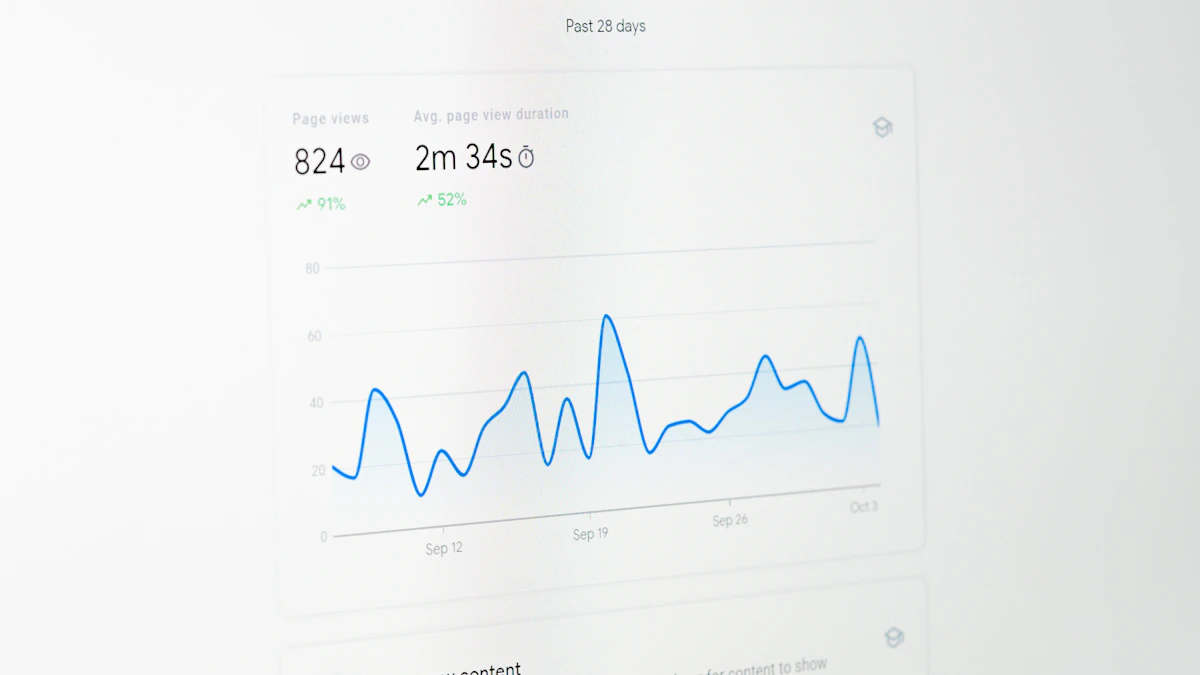
Google reports that Demand Gen advertisers using Google Tag Gateway saw average conversion uplift exceeding 20%. Its cited internal analysis covers June 3–17, 2026, and draws on global advertiser data.
The figure describes reported conversions. It is a Google-reported average from its internal analysis. The reported figure deserves separate evaluation against independently verified sales and profit outcomes.
Imagine a campaign reporting 100 purchases. A later measurement associates 120 purchases with relevant advertising activity. The report now shows 20 additional conversions. The business may have recorded those transactions in its sales system all along.
A more complete measurement is useful. It gives advertisers a fuller view of campaign contributions and may improve the information supplied to automated bidding. The commercial result still needs separate validation.
Google cites the insurance comparison platform The Zebra as another example. According to the announcement, its work on data quality coincided with a 16% increase in conversion volume and a 19% increase in total conversion value. The figures describe the company’s reported case study and provide an example of its stated results.
How Google Tag Gateway Helps Recover Conversion Data
Google Tag Gateway changes how a website delivers Google measurement tags. The site can load the tag through its own domain and route measurement requests using its own web infrastructure, such as a supported content delivery network.
The approach can improve the reliability of signal collection. It may help recover advertising events that a standard tagging arrangement would miss.
Google explains the setup in its Tag Gateway installation guide. Businesses using compatible infrastructure can review the relevant implementation method and test the resulting event flow.
The technology still requires careful configuration. Correct routing still requires accurate event names, appropriate conversion values, sound attribution settings, and consent handling that complies with applicable requirements.
A better collection provides better raw material. The business still has to decide which customer actions deserve value in the advertising system.
Google Data Manager Is Expanding to More Products
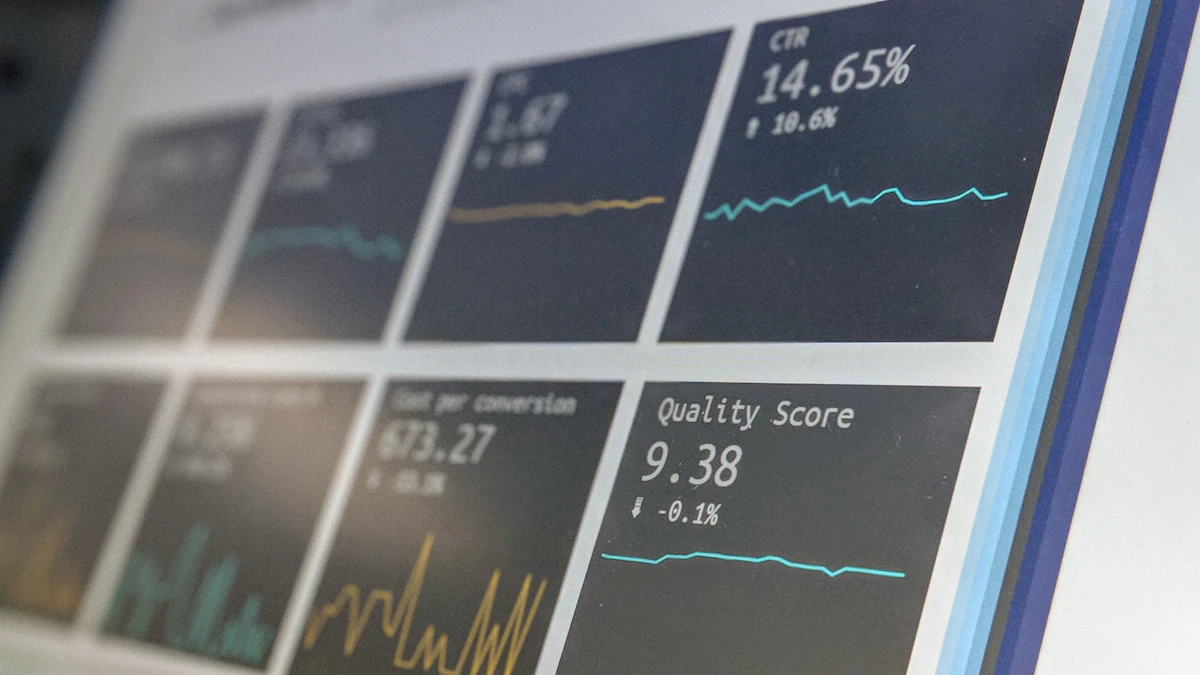
Another part of the October announcement concerns Google Data Manager. Google says it is expanding the tool to Display & Video 360 and Google Analytics.
Data Manager helps advertisers connect first-party sources to Google's advertising and measurement products. Relevant sources include CRM records and other permitted customer data.
For a company managing several advertising platforms, scattered customer information creates avoidable confusion. Website events may be recorded in one product. Qualified sales opportunities may be stored in a CRM. Purchases may appear in another system.
Data Manager aims to make those connections easier to establish and review. Wider product availability can help teams use consistent business information in more places.
Google has announced the expansion. Individual product availability and account access should be checked directly as the rollout progresses.
Google Is Planning Wider Customer-Data Conversion Matching
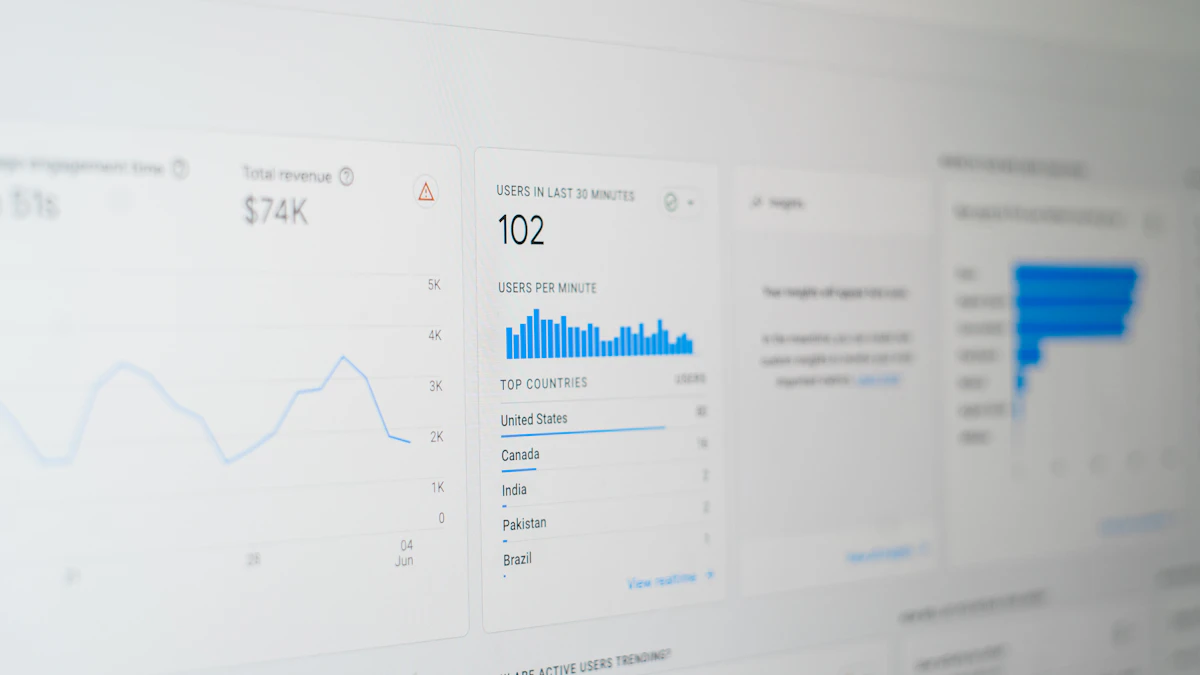
Google plans to extend its existing customer-data matching approach to Display & Video 360 and Google Analytics. The technology can improve conversion measurement by using permitted customer details, such as a hashed email address, to link a conversion to eligible past advertising interactions.
Google's conversion measurement documentation explains how website conversion data can be compared with data associated with signed-in Google accounts.
The process can fill gaps in campaign attribution. It can provide additional observed conversions and useful inputs for bidding systems.
Hashing is one part of responsible data processing. Businesses still need a suitable legal basis, relevant consent practices, and accurate configuration. Good measurement and responsible data handling belong in the same conversation.
The October announcement describes expanded product support as upcoming. Advertisers should review their current account settings and Google's product documentation to check rollout availability.
Why Better Tracking Can Improve AI-Powered Bidding
Automated bidding reacts to the objectives and conversion information configured in the account. Campaigns optimized for form submissions may pursue people likely to complete forms. Campaigns supplied with qualified lead outcomes have better information on which inquiries resulted in genuine commercial opportunities.
Consider a service company that receives 50 leads. Ten may become qualified sales opportunities. Three may become customers. Counting every form submission as equally valuable gives the bidding system a limited view of the business.
CRM connections and qualified lead reporting can provide richer feedback. Transaction values can help an e-commerce advertiser distinguish purchases with different commercial values.
Results still depend on the broader commercial setup. Creative quality, price, customer demand, website usability, and sales performance continue to influence the outcome. Measurement helps the platform understand what happened; commercial strategy determines which outcomes are worth pursuing.

How Advertisers Can Check Their Data Quality
Start with one question: Which customer actions actually create value for the business?
Purchases usually have an observable transaction amount. Contact form submissions are early indicators. Qualified inquiries provide a stronger commercial context. Signed contracts give the sales team outcomes that can be evaluated against campaign spend.
Review the conversion events configured in Google Ads. Check if website forms trigger correctly and if duplicate events inflate the totals. Compare reported sales with order records. Confirm that the CRM reliably records lead source information and sales outcomes.
Next, review the website tag and Google Tag Gateway eligibility. Inspect Data Manager connections and conversion diagnostics. Compare reporting trends over several weeks to account for delayed sales activity.
Finally, review performance using business data. Cost per qualified lead, customer acquisition cost, conversion value, and actual revenue can tell a richer story than the raw conversion count.
For questions about incremental advertising impact, Google documents Conversion Lift studies that use experimental comparison groups to estimate ad-driven conversions. Experimental studies answer a different question from recovered-conversion reporting.

What the October Update Means for Businesses
The lesson goes beyond a new metric on a dashboard. Advertising systems increasingly rely on the customer information that businesses collect and connect.
Companies can write excellent ads and still struggle to judge their commercial value when sales activity stays isolated from campaign reporting. Better data connections can help management see which channels drive real customer acquisition and which campaigns primarily generate early interest.
For businesses working with OPERENDIA, the practical question is simple: Can the company trace an advertising investment from the first customer contact to a meaningful commercial outcome?
Answering that question requires reliable data collection, accurate conversion settings, and a clear account of sales quality. The elements provide a firmer basis for decisions on budget and campaign optimization.
Google's October 13 announcement is a reminder that attractive campaign numbers deserve context. Recovered conversions improve visibility. Qualified leads indicate commercial potential. Confirmed sales and revenue show what the business earned.
Better advertising decisions begin when a company can distinguish those outcomes.

 Make your brand matter.