Google Ranking Factors: Facts Straight from Google

SEO gets confusing fast because advice often travels farther than the source behind it. One person says backlinks barely matter anymore. Another says page speed decides everything. Someone else swears Google rewards a certain word count or a certain keyword density. Google’s own documentation paints a much more practical picture.
Google says its ranking systems use many signals and systems together. Relevance matters. Helpful content matters. Links matter. Originality matters. Page experience plays a role. Internal links help Google understand pages and their relationships. Freshness matters for queries where recent information fits the search. Trust carries extra weight in topics where inaccurate information could harm people.
Google keeps many details private. Exact weights stay inside its systems. Public guidance still gives site owners a useful view of what the search engine values.
Helpful Content Lives Inside Google’s Core Systems
Google’s helpful content work became part of its core ranking systems in 2024. Google describes its goal in plain terms: reward content that gives people useful and reliable information.
People-first content is a phrase Google often uses. Good pages answer the question a visitor came to solve. They offer useful knowledge and leave the reader satisfied with what they found. Google also encourages site owners to write for an actual audience instead of chasing search traffic with pages built mainly around keywords.
Quality has a practical side here. Some questions need a short answer. Other topics need a long explanation. Google says content length should match the topic and the reader’s needs. Useful detail matters more than chasing a preset number.

Backlinks and PageRank Still Matter
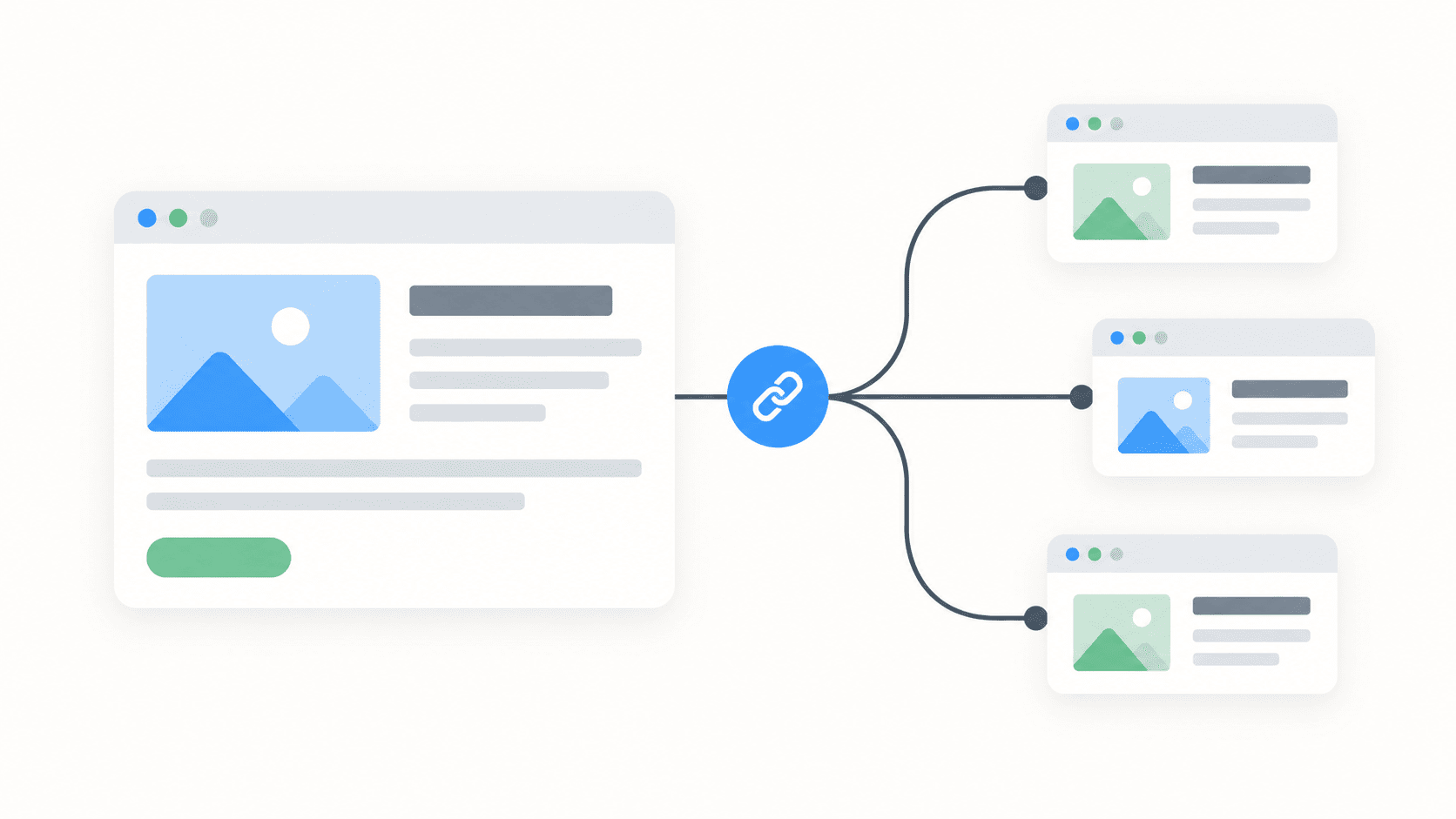
Google continues to list PageRank as part of its core ranking systems. Links between pages help Google understand relationships on the web and assess the value that one page may pass to another.
Backlinks still have a place in SEO. Google’s spam policies draw a clear line around link schemes. Links created mainly to manipulate rankings can lose value and can create policy issues.
Quality matters more than a raw link total. Useful mentions from relevant websites carry a different context compared with hundreds of low-value links created mainly for search engines. Google keeps its link-value formula private. Its documentation still confirms that link analysis remains part of search ranking.
Internal Links Help Google Understand a Site
Internal links receive less hype than backlinks, yet Google talks about them often in its own SEO material. Links inside a site help crawlers discover pages. Link text also gives Google information about the destination page.
Good internal linking has a simple human benefit, too. Readers can move to related pages when they want more information. Search engines gain a clearer picture of how topics connect.
Google advises site owners to use descriptive link text. Generic phrases offer limited context. Useful wording tells readers and Google what they can expect after clicking.
Original Content Gets Special Treatment
Google says it uses systems designed to give original content more visibility compared with pages that mainly repeat material found elsewhere.
Originality can include first-hand experience, original reporting, research, analysis, product tests, and useful information that adds something new. Rewriting ideas already ranking on page one may produce readable text. Google’s guidance gives stronger support to content that brings genuine value of its own.
Generative AI fits into the same idea. Google allows AI-assisted content when the result helps people. AI becomes a policy concern when large volumes of low-value pages are produced mainly to manipulate search rankings.
Google’s guidance centers on the value of the finished page. Human editing, real expertise, first-hand experience, and original information can give an AI-assisted draft far more substance.

E-E-A-T Describes Quality Signals
Experience, expertise, authoritativeness, and trust make up E-E-A-T. Google describes E-E-A-T as a way to think about quality signals instead of one isolated ranking score.
Google uses various signals that can line up with those ideas. Trust receives special emphasis in Google’s quality guidance.
YMYL topics make that point especially important. Health, finance, safety, and other high-impact subjects can affect a person’s life in meaningful ways. Google says stronger E-E-A-T-related signals matter more for topics where poor information could cause harm.
Publishers working in those areas benefit from clear authorship, accurate sourcing, real expertise, and transparent site information. Readers benefit from the same things.
Core Web Vitals Play a Role
Google confirms that Core Web Vitals are used by its ranking systems. Page experience also covers more than speed scores.
Fast loading, responsive interaction, and visual stability can make a site easier to use. Google explains that perfect scores carry limited value when other parts of a page fall short.
Content quality and relevance still matter. Technically excellent pages gain their strongest value when useful information meets a searcher’s needs.
Site owners gain more by treating performance as part of the user experience. Good technical health supports strong content. Search success comes from many signals working together.
Freshness Matters When the Query Calls for It
Google runs freshness systems for searches where newer information carries extra value.
News, product releases, current events, software updates, prices, and changing rules often benefit from recent material. Evergreen questions can behave differently because age has less of an impact on the answer.
Meaningful updates carry value when newer information improves the page. Date changes alone offer limited benefit.
Site owners can think about freshness in human terms. Readers searching for current tax rules expect current tax rules. Readers searching for a basic math concept usually care more about accuracy than publication date.

Google Uses Page-Level and Site-Level Signals
Google says its systems mainly work at the page level. Site-wide signals and classifiers also play a part.
One strong website can still have weak pages. One newer website can publish an excellent page. Google’s description leaves space for both ideas at the same time.
Third-party metrics such as Domain Authority, Domain Rating, and Authority Score come from SEO companies. Google says outside tools operate with their own datasets and models, while Google keeps its internal ranking data private.
Third-party metrics can help with comparison and research when used carefully. They remain estimates created by other companies.
Exact-Match Domains Have Limited Power
Keywords inside a domain can give Google some relevance information. Google also uses an exact-match domain system designed to keep keyword-heavy domains from receiving excessive credit merely because the domain matches the search.
Buying a domain like bestcheapcarinsuranceexample.com gives a site a keyword-rich name. Useful content, reputation, links, technical health, and relevance still shape search performance.
Brand names can work well for users because they are memorable and easy to recognize. Keyword-rich domains remain one small piece in a much larger picture.
Canonical Signals Help Google Choose URLs
Duplicate and near-duplicate pages can appear for many reasons. Filters, URL parameters, print versions, and alternate paths can create multiple URLs for similar content.
Google uses canonical signals to decide which URL should appear as the main version. Redirects and rel="canonical" carry strong signals. Sitemap inclusion carries a weaker signal.
Canonical tags help Google consolidate duplicate URLs and their related signals. Google may still choose a different canonical when other signals point elsewhere.
Clean URL handling makes crawling and indexing easier to understand. It also reduces confusion for site owners who monitor performance in Search Console.
Google Treats Scaled Low-Value Content as Spam
Google’s spam policies cover scaled content abuse. The policy applies when many pages are produced mainly to manipulate rankings and offer little value to users.
AI can create that pattern. Human writers can create the same pattern. Automation itself remains secondary to purpose and value.
Google looks at purpose and value. Publishing thousands of pages that repeat existing material with minimal added insight differs greatly from using AI to help research or draft a useful article that receives expert review.
Site owners who use AI have plenty of freedom to use it responsibly. Original research, direct experience, accurate facts, and useful explanations still give readers a reason to care about the page.
AI Search Still Uses Familiar SEO Basics
Google’s 2026 guidance for AI search keeps returning to familiar SEO principles. Helpful content, technical accessibility, unique value, and a good user experience still matter for AI Overviews and AI Mode.
Site owners can use the same core SEO basics for AI search. Google’s public advice continues to point toward strong pages that people find useful.
Google also says llms.txt has a neutral effect on Google Search ranking. Claims that a special file automatically increases visibility in Google’s AI results go beyond Google’s published guidance.
SEO Still Comes Back to Useful Pages
Google’s confirmed guidance paints a grounded picture of modern SEO.
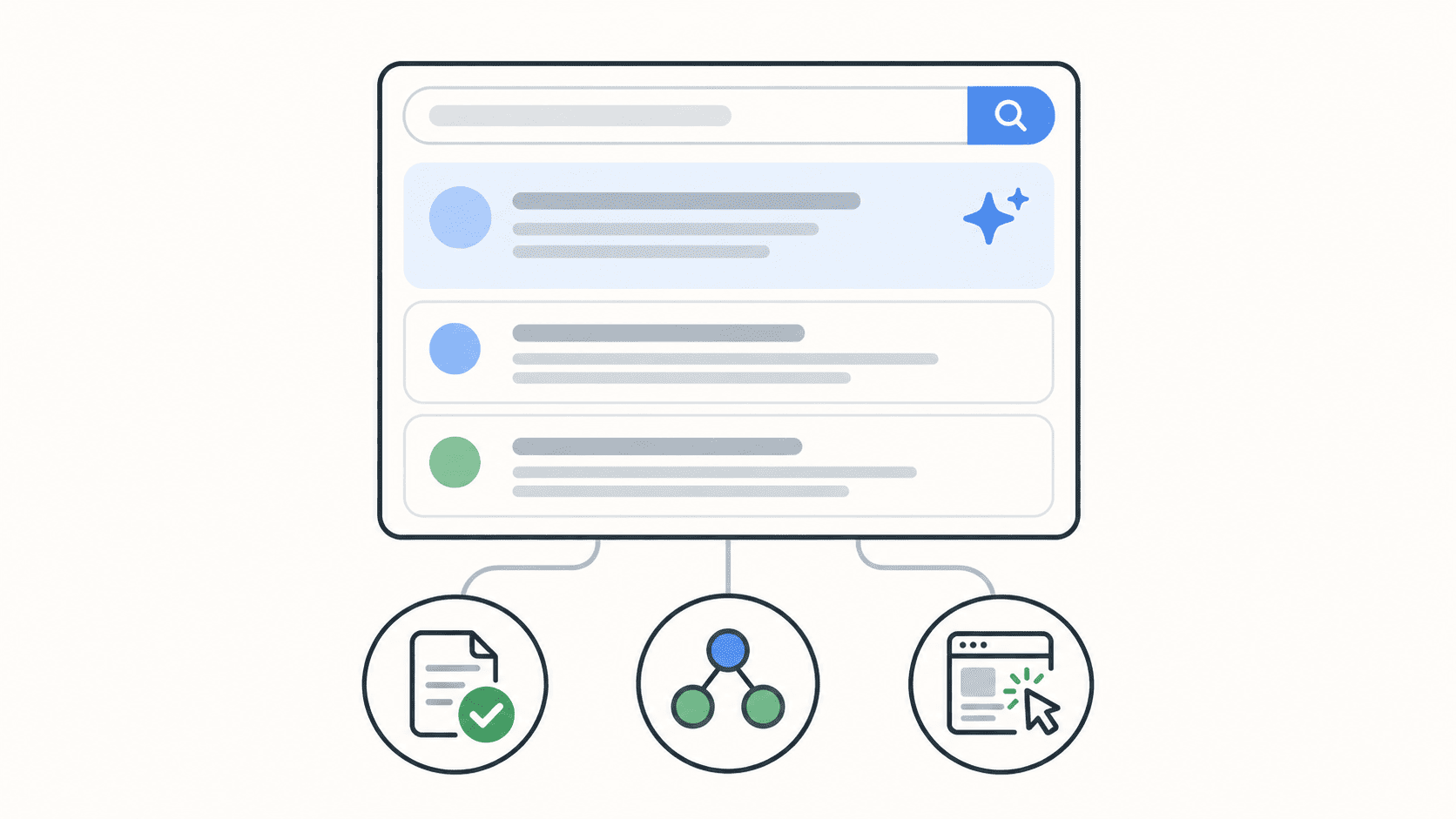
Useful information matters. Links matter. Original material matters. Internal connections matter. Page experience matters. Trust carries extra weight in high-impact topics. Freshness matters when users expect recent information.
Public guidance offers principles instead of a guaranteed ranking recipe. Google evaluates many signals together and changes its systems over time.
Site owners can still make practical decisions with what Google has shared. Write for real people. Publish something worth reading. Build pages that are easy to crawl and easy to use. Earn genuine references from relevant websites. Keep information accurate when facts change.
SEO in 2026 feels easier to understand once the discussion returns to Google’s own words. The search engine continues to value relevance, usefulness, originality, trust, links, and solid technical foundations. Tactics may change. The basic job remains familiar: give people a page worth visiting and give Google enough information to understand it.
 Make your brand matter.