Brand Strategy vs. Brand Identity: What's the Difference
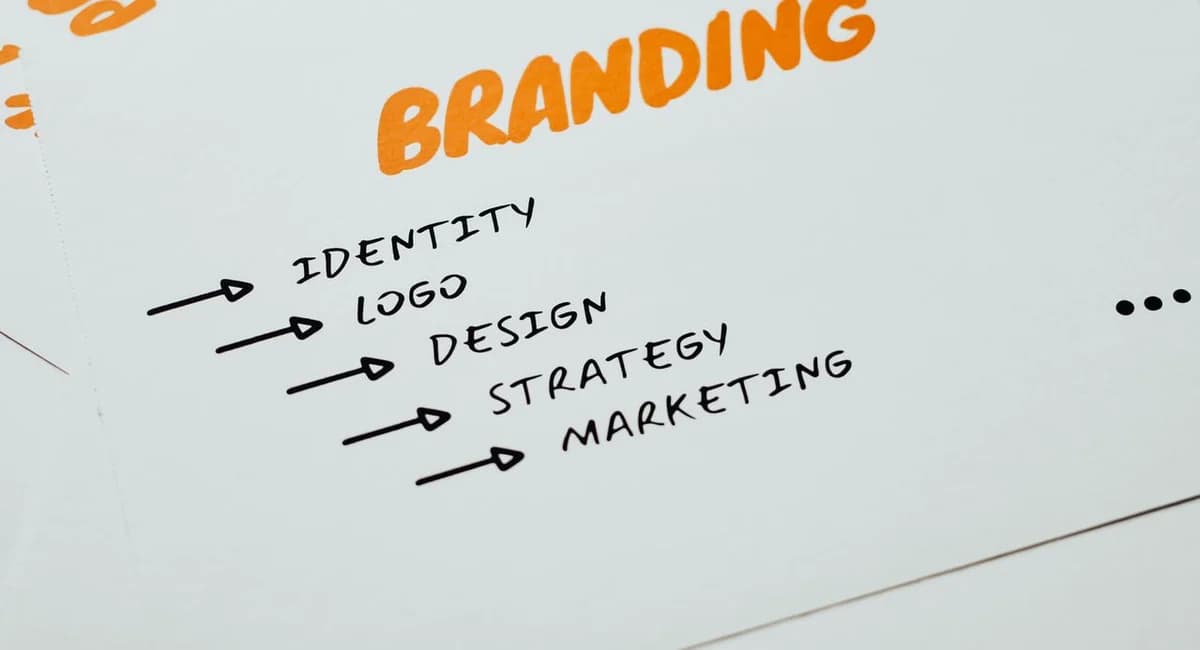
People often use brand strategy and brand identity as interchangeable terms. They belong close together, yet they solve very different problems.
Brand strategy decides what a company should mean.
Brand identity gives people signals through which they can recognize and remember that meaning.
Logo, typography, color, photography, verbal language, packaging, interface decisions, and other identity elements can all help communication. Yet none can decide whom the company exists for, why someone should choose it, which promise deserves belief, or which market position can support price and preference.
Operendia’s branding doctrine treats a brand as the market’s internal verdict. People collect signals from language, price, conduct, service, design, product quality, and memory. Those signals become an expectation linked to the company’s name.
Strategy governs the commercial idea behind those signals.
Identity gives the idea a recognizable vocabulary.

What Brand Strategy Actually Does
Brand strategy is a decision system.
It helps a company decide who it seeks to matter to, which problem deserves attention, which promise it can prove, and which commercial meaning it wants associated with its name.
Operendia frames strategy as a philosophy of becoming: a company chooses who it seeks to serve and which change it wants to create.
Good brand strategy answers questions such as:
Who is it for?
What is it for?
Which worldview does the audience share?
Why should someone choose us?
Which expectation should our name create?
What makes us difficult to confuse with another company?
Which behavior proves our promise?
Which price position makes sense for the meaning we create?
Those questions influence the entire business.
Product decisions change.
Sales language changes.
Customer care changes.
Hiring priorities change.
Pricing decisions change.
Marketing gains a governing idea.
Strategy gives people inside the company a common basis for judgment.
What Brand Identity Actually Does
Brand identity gives strategy recognizable signals.
Visual identity may include logo, typography, color, layout rules, iconography, photography direction, illustration, packaging, motion principles, and digital interface choices.
Verbal identity can include naming, vocabulary, tone, slogans, headlines, message hierarchy, and recurring language patterns.
Identity helps people recognize the company across encounters.
Operendia’s doctrine calls the logo visual shorthand. The logo identifies the company, while the wider brand lives in expectations, memory, trust, and emotional meaning.
Consider a restaurant.
Its identity may include a particular typeface, menu design, photography language, uniforms, signage, packaging, and verbal tone.
Its strategy answers harder questions.
Which diners does it seek?
Why should they care?
What does the restaurant promise?
Which cultural meaning does the concept own?
What should someone expect after hearing its name?
Identity communicates answers.
Strategy decides them.

Brand Strategy Lives in Decisions
Strategy often becomes visible through restraint.
Companies with a clear strategy know which customers fit their future.
They know which opportunity deserves investment.
They know which partnership fits.
They know which product idea belongs.
They know which message strengthens their position.
They can also decline attractive opportunities that weaken the commercial idea.
That discipline matters because brands grow through accumulated decisions.
One advertisement rarely creates a brand.
Hundreds of connected decisions can.
Operendia treats strategy as a commercial decision system rather than a presentation filled with personality adjectives and competitor charts.
The document has value only when people can use it to make better choices.
Brand Identity Lives in Recognition
Identity helps the market recognize the same company again.
Recognition matters because people have limited memory and limited attention.
Distinctive visual and verbal cues help the company become easier to identify.
Think about packaging on a shelf.
The buyer may see dozens of alternatives in seconds. Familiar typography, color relationships, naming conventions, and graphic language can help a company register faster.
Digital businesses face the same challenge.
Website language, app interfaces, email communication, sales documents, social assets, and customer support should feel connected to the same commercial idea.
Identity works best when repeated signals support the same expectation.
Why Identity Without Strategy Feels Empty
Design can look impressive while saying very little.
A company may receive a new logo, new typography, new colors, and a beautiful website. Six months later, sales still describe the company differently from marketing. Customers still struggle to understand its difference. Pricing still feels arbitrary. Competitors still sound similar.
The identity changed.
The underlying commercial meaning stayed weak.
Operendia rejects cosmetic rebranding for exactly this reason. Changing visual shorthand while keeping the same promise and behavior produces a cosmetic change rather than a new market expectation.
Graphic work gains commercial power when a strategic idea gives it purpose.
Color cannot decide market position.
Typography cannot decide the audience.
Logo geometry cannot decide a promise.
Strategy has to answer those questions first.

Why Strategy Without Identity Also Loses Power
Strong strategy still needs expression.
People cannot read an internal strategy document sitting on a server.
They meet the company through signals.
They see the website.
They hear the sales language.
They read a proposal.
They receive packaging.
They interact with customer care.
They notice the price.
They remember the name.
Identity helps strategic meaning become visible and memorable across those encounters.
Good identity, therefore, earns its value through communication.
Design becomes useful when people can recognize the company faster and connect its signals to a known expectation.
Verbal identity becomes useful when different teams speak from the same commercial premise.
Identity gives a strategy a public language.
Brand Identity Extends Past the Logo
One common mistake is to frame the entire discussion of identity around graphic assets.
Operendia uses a wider view.
Visual shorthand matters, yet operational behavior also influences identity. Customer interactions, product behavior, service decisions, language, and delivery standards help people decide what kind of company they have encountered.
Imagine a company with elegant visual assets and chaotic customer care.
The market learns from customer care.
Imagine another company with beautiful language and inconsistent delivery.
The market learns from delivery.
People create the final meaning from what they encounter.
Identity, therefore, has to connect communication with conduct.
Brand Strategy Creates Commercial Meaning
Commercial meaning affects preference.
It also affects the price.
Two companies can sell technically similar products while earning very different responses from buyers.
One may feel generic.
Another may carry status, affiliation, trust, expertise, cultural meaning, or personal identity.
Those associations create economic value.
Operendia calls the additional value people willingly pay over a generic alternative the brand premium. Trust in the promise plays a major role in that premium.
Strategy determines which meaning the company wants to convey.
Identity helps reinforce it.
Conduct proves it.
The market decides if the claim deserves belief.

Strategy Should Come First
Identity decisions become easier when the strategy already answers the larger questions.
Designers know what emotional territory belongs to the company.
Copywriters know who they are speaking to.
Sales teams know which promise deserves emphasis.
Product teams know which decisions support the desired market position.
Leadership knows what the company seeks to become.
The resulting identity gains logic.
Instead of asking, “Which color feels nice?” the team can ask, “Which visual language supports the commercial meaning we want people to associate with us?”
Instead of asking, “Can we get a better slogan?” the team can ask, “Which sentence communicates our promise in language our chosen audience understands?”
Strategy changes the quality of the questions.
Better questions create better decisions.

Brand Strategy and Brand Identity Need Each Other
Brand strategy supplies direction.
Brand identity supplies recognition.
Strategy decides the audience and promise.
Identity communicates the resulting idea.
Strategy influences product and behavior.
Identity helps people recognize those choices.
Treating them as the same discipline creates confusion. Separating them creates another problem.
The strongest brands connect through one commercial idea.
Operendia’s doctrine describes a powerful brand as a condition where promise, conduct, identity, product, and public meaning support the same commercial idea.
That is the relationship worth remembering.
Brand strategy answers:
What should people believe about us, and why should they believe it?
Brand identity answers:
How will people recognize that meaning whenever they encounter us?
Get the strategy right, and identity has something valuable to communicate.
Get the identity right, and the strategy becomes easier to recognize.
Keep the promise true through behavior, and the market may eventually attach the desired meaning to the name.
That final verdict is the brand.
 Make your brand matter.